
Prescription costs can feel overwhelming. Whether you're managing a chronic condition or picking up a one-time antibiotic, the price at the pharmacy counter often comes as an unwelcome surprise. The good news is that medicine discount programs exist in more forms than most people realize, and knowing how to use them can lead to significant savings year after year. This checklist-style guide walks you through the most effective strategies so you can walk out of the pharmacy spending less every time. Start With the Basics: Know What's Available to You Before anything else, you need to understand the landscape. Many people overpay simply because they aren't aware of the affordable medicine options sitting right in front of them. The first item on your checklist is to ask your pharmacist directly whether there are any active promotions, pharmacy coupon savings, or lesser-known discount programs tied to your specific medication. Pharmacists are an underutilized resource, and a simple conversation can reveal options you never knew existed.
Next, check whether your insurance plan includes pharmacy benefit programs. These programs negotiate pricing with drug manufacturers and can dramatically reduce what you pay out of pocket. Even if you have insurance, it's worth comparing the plan's copay against the cash price available through other channels. Sometimes, believe it or not, paying without insurance is cheaper. This is especially true for generic medications.
Speaking of generics, switching from a brand-name drug to its generic equivalent is one of the fastest ways to lower medication costs. Generics contain the same active ingredients and meet the same safety standards, but they often cost a fraction of the price. Ask your doctor if a generic version of your prescription is available and appropriate for your situation. Pharmacy Loyalty Programs and Rewards Cards Worth Knowing Once you've covered the basics, it's time to look at tools designed specifically to reward repeat customers. Pharmacy loyalty programs are offered by many major chain pharmacies and can provide meaningful benefits over time. These programs often issue prescription reward points for every purchase, which can be redeemed for discounts on future medications or even everyday household items. If you fill prescriptions regularly, joining one of these programs costs nothing and adds up quickly.
A pharmacy discount card is another powerful tool. These cards are typically free to obtain and can be used at thousands of pharmacies nationwide. They work by accessing pre-negotiated rates between the card provider and the pharmacy. In some cases, a pharmacy discount card can reduce prescription price discounts by fifty percent or more, particularly for generic drugs. It's worth carrying one in your wallet or downloading a digital version on your phone even if you have insurance, since you can compare prices and choose whichever option saves you more money on a given day.
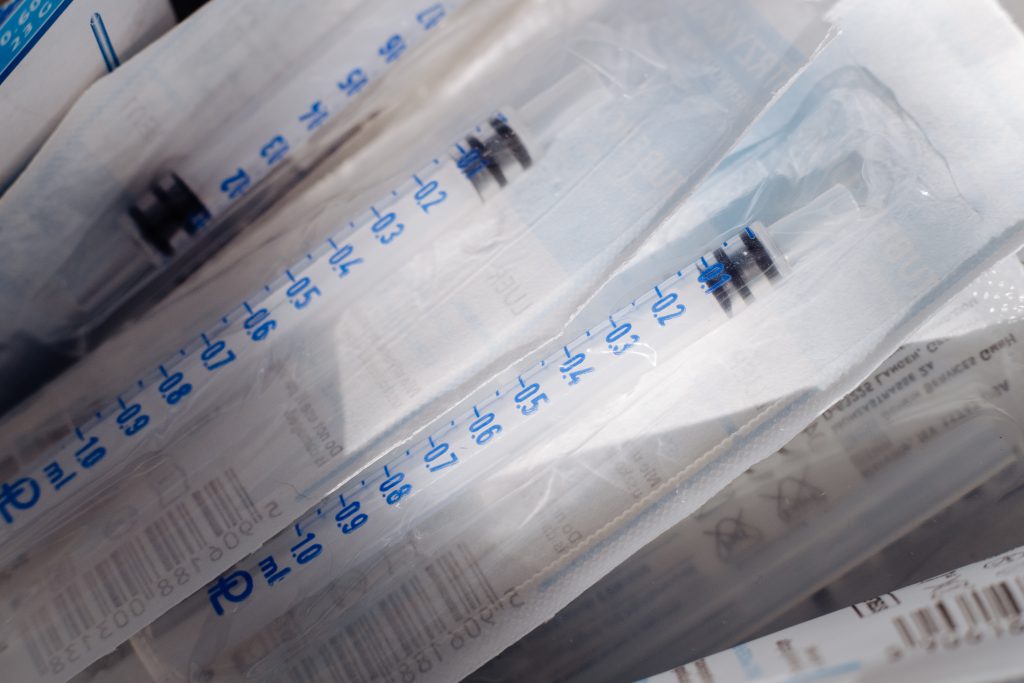
Medication rewards programs offered by pharmaceutical manufacturers are also worth exploring. Some drug companies provide assistance directly to patients who meet certain income or insurance criteria. These programs, often called patient assistance programs, can offer medications at little to no cost. A quick search for the manufacturer of your specific drug can point you in the right direction. Practical Medication Savings Tips to Use Right Now This section covers the day-to-day habits that keep prescription costs low over time. One of the most overlooked prescription savings resources http://mw.conquista-peru.info/index.php?title=Benutzer:RebbecaSlagle] savings tips is to buy a larger supply at once. Many insurance plans and pharmacy discount programs offer a lower per-pill cost when you fill a ninety-day supply instead of a thirty-day supply. If your condition is stable and your doctor agrees, this one change alone can produce meaningful medicine cost savings annually. (Image: https://freestocks.org/fs/wp-content/uploads/2020/04/disposable_sterile_insulin_syringes-1024x683.jpg) Another smart move is to use a price comparison approach. Just as you might compare gas prices at different stations, prescription prices vary significantly from one pharmacy to another. Prices for the same medication can differ by twenty dollars or more between a chain pharmacy and a warehouse club pharmacy just blocks away. Taking five minutes to compare prices before you fill a prescription is one of the simplest prescription savings tips available.
Don't overlook mail-order pharmacy services. Many pharmacy benefit programs include a mail-order option that delivers medications directly to your door, often at a reduced rate. This is particularly useful for maintenance medications you take every day. The convenience factor alone makes it appealing, but the cost reduction seals the deal for most people.
If you have a flexible spending account or health savings account through your employer, use it for prescription purchases. These accounts allow you to pay for medications with pre-tax dollars, which effectively reduces the real cost of every purchase depending on your tax bracket. This is one of the most straightforward ways to save on medicine without changing anything about how or where you fill your prescriptions.
Finally, have an honest conversation with your doctor about cost. Physicians want their patients to be able to afford their treatments. If a medication is too expensive, your doctor may know of equally effective alternatives, be willing to provide samples, or have access to information about specific pharmacy rewards and discounts tied to what they're prescribing. Putting It All Together With Medicine Discount Programs The most important takeaway here is that reducing your prescription costs is not a one-time task. It's a set of ongoing habits and checks you perform each time you receive a new prescription or refill an existing one. Medicine discount programs are most effective when you combine them with other strategies, layering a pharmacy discount card on top of a loyalty program, asking about generics, comparing prices, and leveraging insurance benefits all at once.
Think of this checklist as a living document. As your medications change and new programs emerge, revisit each step. The combination of pharmacy coupon savings, reward points, smart purchasing habits, and awareness of available programs creates a cumulative effect that can save hundreds of dollars annually.
Taking control of your prescription spending doesn't require a financial degree or hours of research. It requires knowing the right questions to ask and the right tools to use. With this checklist in hand, you're well-equipped to reduce prescription costs and keep more money where it belongs — in your pocket.