
Getting your wardrobe under control is about more than just aesthetics. A truly organized closet protects your clothing investment, reduces daily stress, and keeps your living spaces safe for everyone in the household. These wardrobe organization tips focus on the factors that matter most — choosing the right products, understanding load limits, and building a system that holds up over time. Why Hanger Quality Matters More Than You Think Most people grab whatever hangers come to hand without giving them much thought. But the type and quality of your clothing hangers directly affects both garment care and household safety. Cheap wire hangers, for example, can stretch delicate fabrics, leave shoulder marks on knitwear, and even rust, transferring stains to light-colored clothing. Beyond the damage they cause to clothing, overloaded or poorly made hangers can snap unexpectedly, creating a hazard — particularly in homes with children who might pull on hanging clothes.
When evaluating hanger types, it helps to match the hanger to the garment. Slim velvet hangers are ideal for lightweight blouses and slippery fabrics because their non-slip surface prevents items from sliding to the floor. Wooden hangers with a broad shoulder profile are far better suited to structured jackets, suits, and coats, as they preserve the shape of the garment over long periods. For heavier items like winter coats and thick woolen blazers, heavy-duty hangers made from reinforced plastic or solid wood are essential. A hanger that buckles under weight is not just inconvenient — it can bring an entire closet rail down if multiple items overload the bar.
Pay close attention to weight ratings when purchasing hangers for heavier garments. Reputable manufacturers will list load capacity on their packaging, and it is worth taking that number seriously. Closet Organization is only effective when the hardware holding everything up is rated for the actual weight being stored. Safe and Smart Coat Storage Solutions Coat storage deserves its own strategy, especially in households that rotate heavy outerwear through the seasons. The entryway is often the first line of defense. Entryway organization plays a bigger role in home safety than most people realize — a cluttered entry with overloaded hooks or a sagging coat rack creates trip hazards and can cause heavy outerwear to fall unexpectedly.
Wall-mounted coat hooks should be installed into wall studs rather than just drywall. A single hook bearing the weight of multiple winter coats, bags, and scarves will pull free from drywall anchors under sufficient pressure, especially with repeated use. The same principle applies to freestanding coat racks — look for models with a wide, weighted base that will not tip easily. If young children are in the home, secure freestanding units to the wall as an extra precaution.
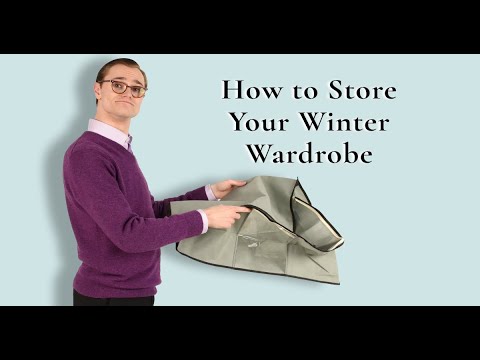
For seasonal garment storage, breathability is a key safety consideration that often goes overlooked. Storing coats and other garments in sealed plastic bags for months at a time can trap moisture and encourage mold growth, which damages fabric and can pose health concerns. Cotton garment bags or canvas storage boxes allow air circulation while still protecting clothing from dust and pests. Cedar blocks are a natural, chemical-free way to deter moths without the harsh fumes associated with traditional mothballs. Space-Saving Hangers and Closet Organization Done Right For smaller wardrobes or shared closets, space-saving hangers can dramatically increase the amount of clothing you can store without compromising garment care. Cascading hangers — sometimes called tiered or waterfall hangers — allow multiple items to hang vertically, one below another, using the space that would otherwise be wasted below a single garment. This approach works particularly well for trousers, skirts, and lighter tops.
However, there is a safety caveat worth noting. When stacking hangers vertically with multiple garments, the combined weight increases quickly. Always make sure your closet rod is rated for the additional load. Older closet rods, particularly those made of lightweight metal or flimsy plastic, may not be up to the task. Replacing a sagging rod with a heavy-duty steel alternative is a relatively inexpensive upgrade that significantly improves both safety and functionality.
It is also worth considering the height at which your closet rod is installed. Rods positioned too high can make it difficult to safely retrieve heavy or bulky items, increasing the risk of pulling down more than intended. Adjustable shelving systems give you the flexibility to set rail heights that are both practical and ergonomically sensible for the people using the space. Garment Care as Part of Your Organization System Good garment storage is inseparable from good garment care. The way clothing is hung or folded has a direct impact on how long it lasts. Knitwear should never be hung — the weight of the fabric causes it to stretch and distort over time. Folding knitwear and placing it on a shelf or in a drawer is the correct approach. Structured garments like blazers and dress shirts fare best on shaped hangers that support the shoulders without creating pressure points.
Overcrowding is one of the most common mistakes in closet organization. When clothing is packed tightly together, garments wrinkle more quickly, fabrics rub against each other causing pilling, and air cannot circulate properly. Aim to leave a small gap between items so each piece can hang freely. If you are consistently running out of space, it may be time for a more thorough wardrobe edit rather than simply adding more storage solutions. (Image: https://i.ytimg.com/vi/YOlguw_KdtA/hqdefault.jpg)Building an Organization System That Lasts The best wardrobe organization tips are the ones you can actually maintain. Start with a foundation of quality — invest in good hangers, check the structural integrity of your closet rails and coat hooks, and choose storage solutions that are rated for the weight they will carry. Build habits around returning items to their proper place, which is far easier when your system is logical and everything has a home.
Garment storage done right protects your clothes, extends their life, and keeps your home safe for everyone who lives in it. Whether you are rethinking your entryway organization ideas http://mediawiki.copyrightflexibilities.eu], upgrading your coat storage, or overhauling your entire closet, applying these wardrobe organization tips with safety and quality in mind will deliver results that genuinely last.