Prescription drug costs in the United States have reached a tipping point for millions of families. Whether you're managing a chronic condition or filling a one-time prescription, the price at the pharmacy counter can feel like a gut punch. The good news? There are genuinely effective strategies to save on medications without sacrificing the quality of your care. With the right combination of tools, programs, and a little know-how, you can significantly lower what you spend every month at the pharmacy. Understanding Why Prescription Prices Vary So Much Most people don't realize that the price of a prescription can differ dramatically from one pharmacy to the next — sometimes by hundreds of dollars for the same medication. Pharmacy benefit programs negotiated by insurers, pharmacy chains, and third-party organizations all play a role in what you ultimately pay. Cash prices, insurance co-pays, and discount pricing can all apply to the same drug, and not all of them will be shown to you automatically. That's why being proactive matters. Asking the pharmacist directly about lower medication costs, including generic alternatives, is one of the simplest and most underused prescription savings tips available to consumers today.
Generic medications are one of the most powerful affordable medicine options on the market. The FDA requires generics to meet the same standards for safety, strength, and quality as brand-name drugs. Switching to a generic version of your medication — when one exists — can cut your costs by 80 to 85 percent in some cases. Your doctor or pharmacist can advise whether a generic is appropriate for your specific treatment plan. How Pharmacy Discount Cards and Loyalty Programs Can Help One of the most practical ways to save on medicine is through a pharmacy discount card. These cards are often free to obtain and can be used at thousands of pharmacies nationwide, sometimes even when you have insurance. The trick is to compare the discount card price against your insurance co-pay — whichever is lower is what you should pay. Many people are surprised to find that pharmacy coupon savings through a discount card beat their insurance price for certain medications.
Pharmacy loyalty programs are another avenue worth exploring. Many major pharmacy chains have developed robust pharmacy rewards and discounts structures that accumulate points on prescription fills, immunizations, and everyday purchases. These prescription reward points can be redeemed for store credit, merchandise, or even future prescription purchases. If you regularly fill multiple prescriptions at the same location, enrolling in a medication rewards program can translate into meaningful savings over the course of a year.
Some programs go even further by offering tiered medicine discount programs for members who fill a certain volume of prescriptions or who sign up for automatic refills. Enrolling in auto-refill not only keeps your medication schedule on track but often unlocks additional prescription price discounts that casual customers don't receive. Practical Medication Savings Tips Worth Knowing Beyond cards and programs, there are several medication discount tips (https://www.wikimontessori.com/) savings tips that can help you reduce prescription costs in ways that feel small individually but add up quickly. Buying a 90-day supply instead of a 30-day fill is one of them. Most insurance plans and pharmacy chains offer a lower per-dose cost when you purchase a larger quantity at once. If you're on a stable long-term medication, this approach alone can generate noticeable medicine cost savings.
Manufacturer assistance is another underutilized resource. Many pharmaceutical companies offer their own savings programs for brand-name medications, particularly for patients who are uninsured or underinsured. These aren't hard to find — a quick conversation with your doctor's office can point you toward patient assistance programs that could dramatically reduce your out-of-pocket costs.
It's also worth asking your doctor whether a therapeutic alternative exists. Two different medications can treat the same condition, but one may be significantly cheaper. A physician who knows you're concerned about cost can often suggest a clinically equivalent option at a lower price point. Being upfront about your budget is not a sign of weakness — it's smart healthcare.
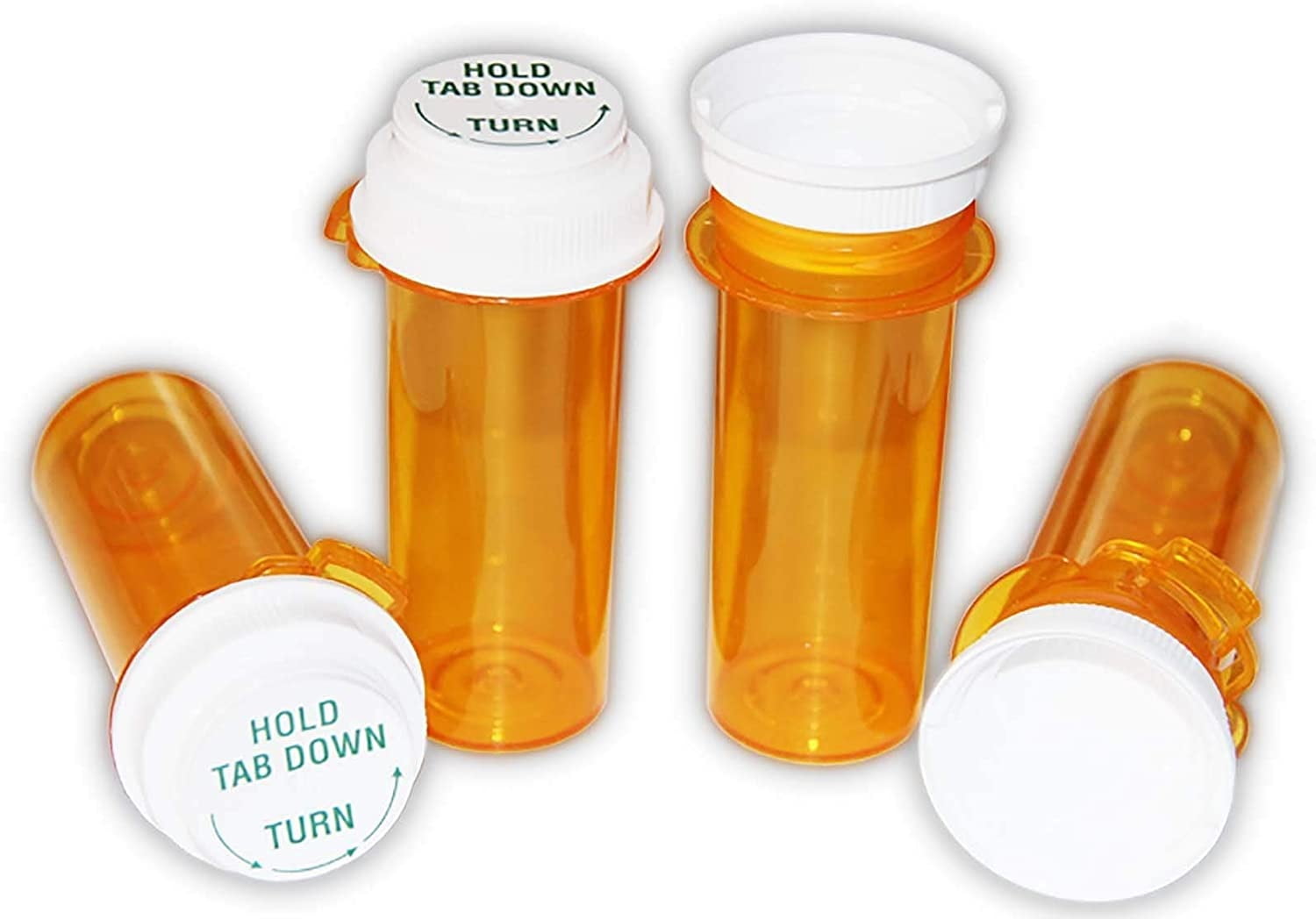
Mail-order pharmacy services are particularly effective for those managing chronic conditions. These services frequently offer prescription price discounts for 90-day supplies and can eliminate the need for monthly trips to the pharmacy. Many insurance plans actively encourage mail-order because it reduces costs on their end too, so the savings get passed along to you. Using a Prescription Savings Card as Part of a Broader Strategy A prescription savings card works best when treated as one piece of a larger strategy rather than a standalone solution. Pairing it with price comparison tools, manufacturer coupons, and pharmacy loyalty programs creates a layered approach to reducing your overall medication expenses. The key is consistency. Checking prices before each fill, not just once, ensures you're always getting the best available rate. (Image: https://i5.walmartimages.com/seo/Pharmacy-Prescription-Vials-Touch-Down-Amber-40-Dram-Dual-Purpose-Caps-Included-Qty-105-Medicine-Pill-Bottle-Container-Plastic-Container-Sponix-BioRx_d32dbc99-9ba9-4b75-b7e8-9bbd3bf77a25.4927b5f2b9b6b4a4f141709fa50bcfb9.jpeg) Some pharmacies now offer in-house savings clubs that function similarly to a prescription savings card but are specific to that chain. These can offer deep discounts on common generics for a low annual membership fee, making them an excellent choice for households filling several prescriptions each month. Always do the math before enrolling to ensure the membership cost is offset by actual savings. Conclusion: Take Control of What You Pay at the Pharmacy The path to meaningful, lasting medicine cost savings requires more than luck — it requires strategy. By combining tools like a pharmacy discount card, loyalty programs, manufacturer assistance, and smart prescribing conversations with your doctor, you can genuinely save on medications month after month. Prescription costs don't have to feel unmanageable. With the right knowledge and a willingness to ask the right questions, lower medication costs are within reach for nearly every patient, regardless of insurance status or income level. Start with one or two of these approaches today, and build from there.