
The world of aviation has undergone significant transformation over the last few decades, with private planes emerging as a popular mode of transportation for business executives, celebrities, and affluent individuals. As the demand for personalized travel experiences increases, so does the accessibility and availability of private planes near various regions. This article explores the factors contributing to the rise of private aviation, the benefits of flying privately, and the implications for local economies and communities.
The Growth of Private Aviation
The private aviation sector has seen exponential growth in recent years, driven by a combination of technological advancements, economic factors, and changing consumer preferences. According to the National Business Aviation Association (NBAA), the number of general aviation aircraft in the United States alone has surpassed 200,000, with private jets representing a significant portion of this fleet. This growth can be attributed to several factors, including the increasing globalization of business, the need for time-efficient travel solutions, and the desire for privacy and comfort.
Accessibility of Private Planes
One of the most significant developments in the private aviation industry is the increased accessibility of private planes. Traditionally, private flying was viewed as an exclusive privilege reserved for the wealthy elite. However, the emergence of fractional ownership programs, jet card services, and on-demand charter flights has democratized access to private aviation.
Fractional ownership allows individuals and companies to purchase a share in a private jet, providing them with a certain number of flight hours per year. If you adored this article and you would like to receive additional info pertaining to private jet booking guide by privatejetrental kindly browse through our own site. This model significantly reduces the financial burden of owning an entire aircraft while still offering the benefits of private flying. Jet card programs operate similarly, allowing customers to purchase flight hours in advance, offering flexibility without the long-term commitment of ownership.
On-demand charter services have further expanded accessibility by allowing individuals to book private flights on a per-trip basis. Companies like NetJets, Wheels Up, and VistaJet have made it easier than ever to find and book private flights, often with just a few clicks on a smartphone app. These services cater to a wide range of customers, from corporate executives needing to travel for business meetings to families seeking a convenient way to reach vacation destinations.
Benefits of Flying Privately
Flying privately offers numerous advantages over commercial air travel. One of the most significant benefits is the time saved. Private planes can access thousands of airports worldwide, many of which are not served by commercial airlines. This means that travelers can fly closer to their final destination, bypassing long layovers and connecting flights. Moreover, private jets often have shorter check-in times and no security lines, allowing passengers to arrive at the airport just minutes before takeoff.
Another advantage of private aviation is the enhanced comfort and privacy it provides. Unlike commercial flights, where passengers are confined to cramped seats and limited legroom, private jets offer spacious cabins, customizable interiors, and luxurious amenities. Travelers can conduct business meetings, enjoy gourmet meals, or simply relax in a comfortable environment tailored to their preferences.
Additionally, flying privately allows for greater flexibility in scheduling. Passengers can dictate their departure times, avoid the hassle of crowded terminals, and change their travel plans on short notice. This level of convenience is particularly appealing to busy professionals whose schedules may change frequently.
Economic Implications for Local Communities
The rise of private aviation has significant implications for local economies and communities. Airports that accommodate private planes often experience increased economic activity, including job creation and tourism. According to a study by the NBAA, general aviation contributes over $150 billion to the U.S. economy annually, supporting more than 1.2 million jobs.
Local businesses, including hotels, restaurants, and transportation services, also benefit from the influx of private jet travelers. These individuals often spend significantly more than commercial airline passengers, contributing to the local economy. Moreover, private aviation can stimulate investment in infrastructure, as airports may expand their facilities to accommodate the growing number of private flights.
(Image: https://www.moneyweb.co.za/wp-content/uploads/2016/09/Private-plane-2-Large.jpg) Environmental Considerations
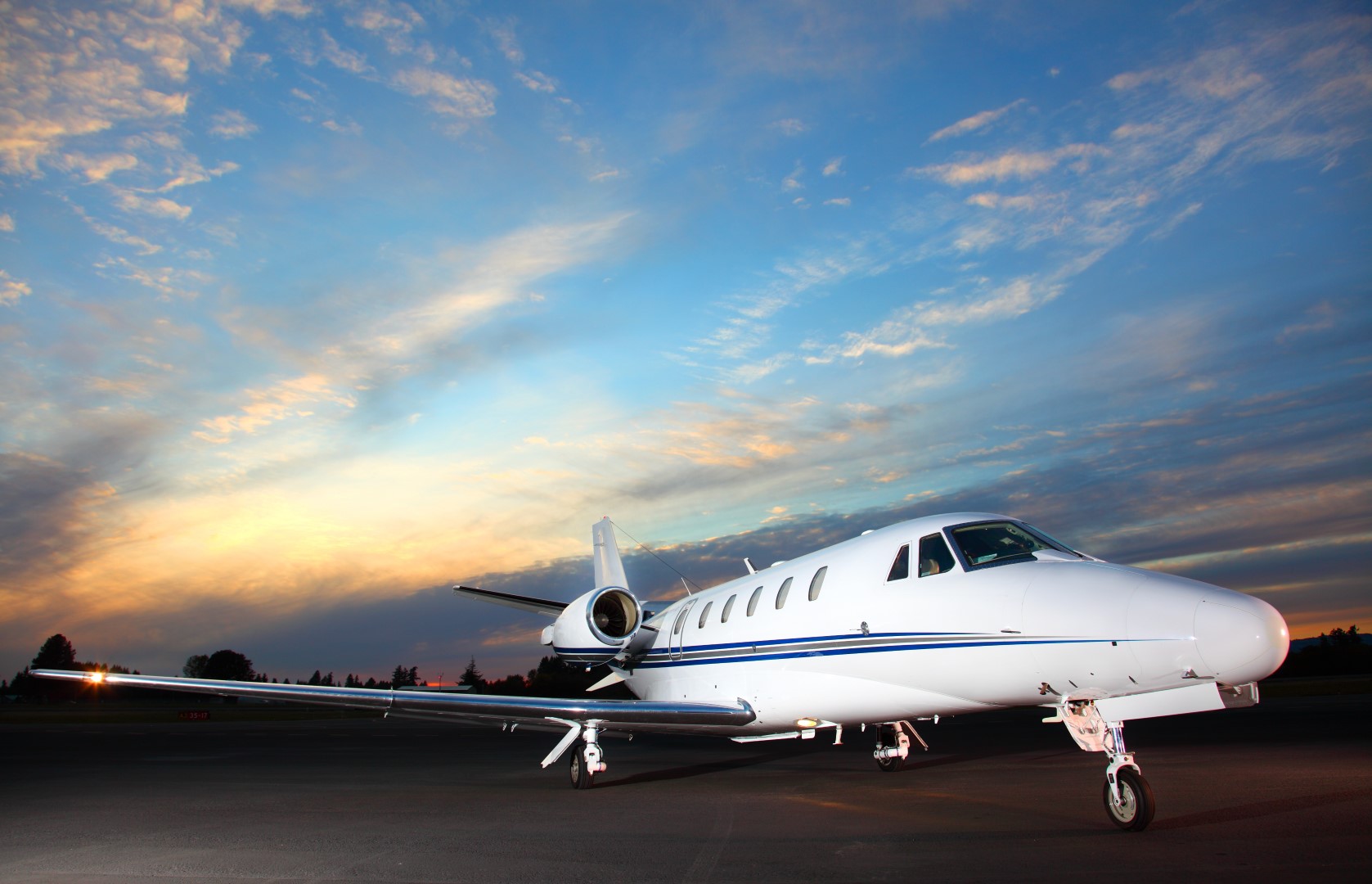
While the benefits of private aviation are clear, it is essential to consider the environmental impact of flying privately. Private jets are often criticized for their carbon footprint, as they can produce significantly more emissions per passenger than commercial flights. However, the industry is increasingly aware of these concerns and is taking steps to mitigate its environmental impact.
Many private aviation companies are investing in more fuel-efficient aircraft and exploring sustainable aviation fuels (SAFs) as an alternative to traditional jet fuel. These efforts aim to reduce greenhouse gas emissions and promote a more sustainable future for the aviation industry. Furthermore, some companies are adopting carbon offset programs, allowing passengers to invest in environmental projects that counterbalance their flight emissions.
The Future of Private Aviation
As technology continues to advance, the future of private aviation looks promising. Innovations such as electric and hybrid aircraft, autonomous flying technology, and improved air traffic management systems may revolutionize the industry. These advancements could lead to more efficient, cost-effective, and environmentally friendly private flying options.
In addition, the COVID-19 pandemic has accelerated the shift towards private aviation, as travelers seek safer alternatives to crowded commercial flights. Many individuals who may have previously flown commercially are now considering private jets as a viable option, further driving demand for private aviation services.
Conclusion
The rise of private planes near local communities reflects a broader trend towards personalized travel solutions that prioritize comfort, convenience, and flexibility. As accessibility continues to increase through innovative ownership models and on-demand services, more individuals are embracing the benefits of private aviation. While considerations regarding environmental impact remain, the industry's commitment to sustainability and technological advancements promises a bright future for private flying. As private aviation continues to evolve, it will play an increasingly vital role in shaping the future of travel for individuals and businesses alike.