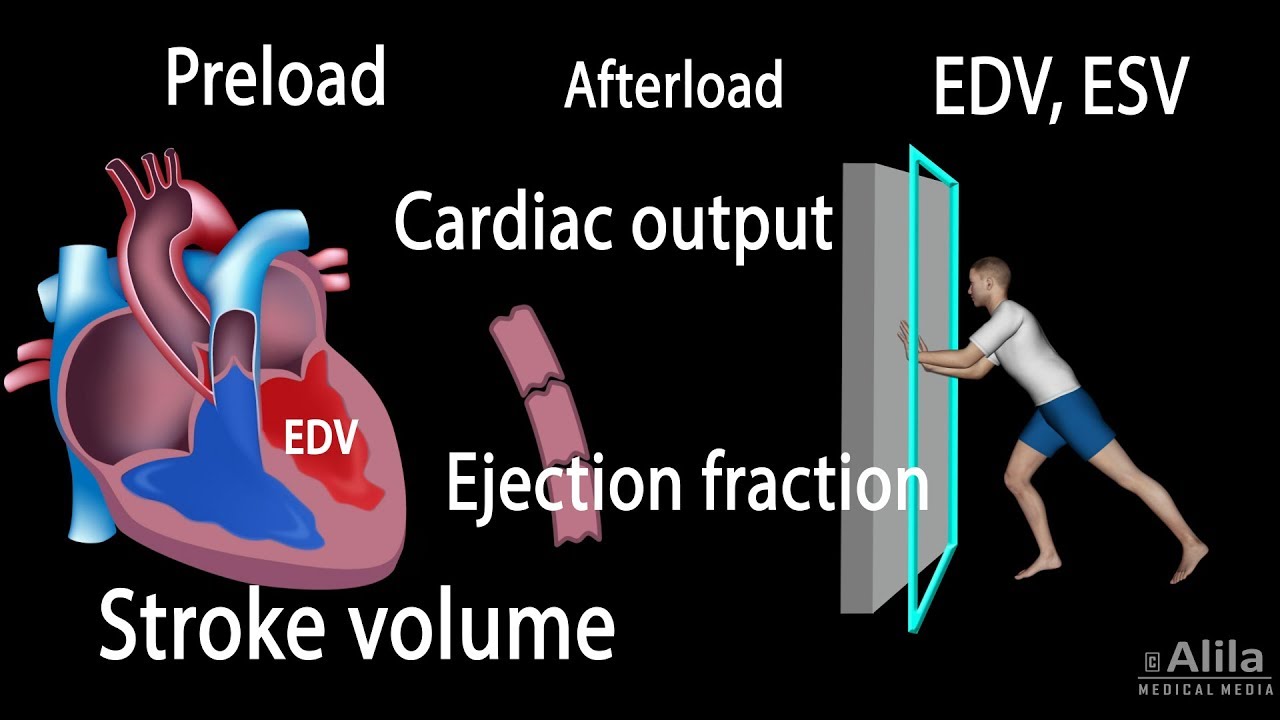
O método de Fick é uma técnica clássica para medir o débito cardíaco, baseada na lei de Fick sobre a difusão de gases. Este método utiliza a quantidade de oxigênio consumido pelo corpo e as diferenças nas concentrações de oxigênio entre o sangue arterial e venoso. A Fórmula de Fick utilizada é:
(Image: https://i.ytimg.com/vi/0O3FfHPE9PU/hq720.jpg)Obwohl die Betriebskosten in der Regel niedrig sind, können die hohen Investitionen eine Hürde für einige Länder oder Unternehmen darstellen. Hohe Anfangsinvestitionen: Der Aufbau von Infrastruktur für erneuerbare Energien kann hohe Anfangskosten mit sich bringen.

(Image: https://i.ytimg.com/vi/CtxfjPTOIRc/hq720.jpg)Research Applications: The Fick principle is widely used in research to study various aspects of cardiovascular physiology, including the effects of different interventions on cardiac output and oxygen transport.
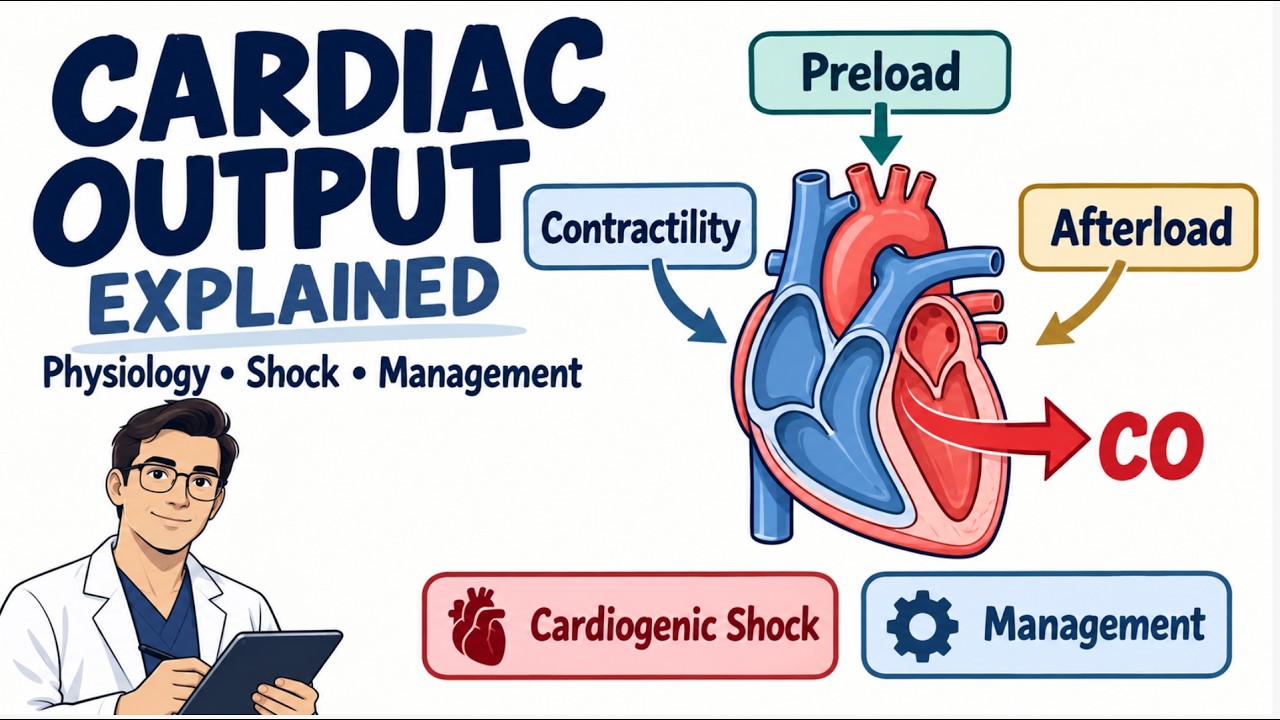
Avaliação de Pacientes com Insuficiência Cardíaca: O método de Fick pode ajudar a determinar a gravidade da insuficiência cardíaca e a eficácia do tratamento. Monitoramento de Pacientes Críticos: Em unidades de terapia intensiva, o débito cardíaco é uma medida vital que pode auxiliar na avaliação do estado hemodinâmico dos pacientes. Exercício Físico e Reabilitação Cardíaca: Este método é frequentemente utilizado em testes de esforço para avaliar a capacidade funcional do coração durante o exercício.
This case study illustrates its application in a clinical setting, highlighting its role in guiding treatment decisions. The Fick Principle Calculator is an essential tool in the assessment of cardiac output, particularly in patients with complex medical histories. As technology advances, the integration of Fick Principle calculations into bedside monitoring systems may further enhance the ability of healthcare professionals to provide timely and effective care to patients with cardiovascular concern
As technology advances, the future of the Fick Calculator may see significant enhancements. These innovations could provide clinicians with more accessible and safer options for assessing cardiac function. Non-invasive methods for measuring cardiac output, such as bioimpedance and echocardiography, are being developed and refined.
Der Rechner nutzt dabei umfangreiche Datenbanken, die Informationen über Krankheitsbilder, Behandlungsmöglichkeiten und medizinische Leitlinien enthalten. Der HZV Rechner ist ein digitales Werkzeug, das Hausärzten und anderen Gesundheitsdienstleistern hilft, die gesundheitlichen Bedürfnisse ihrer Patienten besser zu verstehen und zu verwalten. Er ermöglicht die Berechnung von verschiedenen gesundheitsrelevanten Parametern, die für die Erstellung von individuellen Behandlungsplänen notwendig sind.
Coupled with his symptoms and clinical findings, the medical team decided to initiate treatment with diuretics to manage fluid overload and improve cardiac function. The calculated cardiac output, while not critically low, suggested that the patient was experiencing reduced cardiac performance. Additionally, the team monitored the patient's oxygenation status and adjusted supplemental oxygen therapy accordingl
This case study explores the application of the Fick Principle Calculator in clinical settings, emphasizing its significance in assessing cardiac function and guiding treatment decision The Fick Principle is a fundamental concept in physiology, particularly in the study of cardiovascular dynamics. It provides a method for calculating cardiac output based on the relationship between oxygen consumption and the oxygen content in arterial and venous blood.
Um débito cardíaco normal em repouso varia entre 4 a 8 L/min, dependendo da idade, sexo e nível de atividade física da pessoa. onde FC é a frequência cardíaca (batimentos por minuto) e VS é o volume sistólico (volume de sangue ejetado pelo ventrículo a cada batimento).
The Fick Principle Calculator serves as a valuable tool for healthcare professionals to estimate cardiac output accurately. Understanding cardiac output is crucial in various clinical scenarios, including heart failure, shock, and during surgical procedures. By inputting relevant parameters, clinicians can obtain immediate feedback on a patient's cardiovascular status, enabling timely intervention
Oxygen Content (CaO2 and CvO2): - Arterial Oxygen Content (CaO2) can be calculated using the formula: \[ CaO2 = (Hb \times 1.34 \times SaO2) + (PaO2 \times 0.0031) \] where Hb is hemoglobin concentration (g/dL), SaO2 is arterial oxygen saturation (expressed as a fraction), and PaO2 is the partial pressure of oxygen in arterial blood (mmHg). - Venous Oxygen Content (CvO2) is similarly calculated, but it uses venous blood samples, typically from the pulmonary artery or a central venous catheter.
(Image: https://i.ytimg.com/vi/vFRkSB46bl8/hq720.jpg)Such advancements could lead to more personalized and effective treatment strategies for patients with cardiovascular conditions. Moreover, integrating artificial intelligence and machine learning into the analysis of cardiovascular data may improve the accuracy and predictive capabilities of cardiac output estimations derived from the Fick principle.