
For centuries, the Venetian mirror has stood as a symbol of luxury, artistry, and refined taste. Born on the island of Murano in the late fifteenth century, these mirrors were once so prized that their production methods were guarded as state secrets. Today, a Venetian mirror manufacturer continues that tradition by blending historic techniques with modern design sensibilities, producing pieces that elevate interiors around the world.
The Origins of Venetian Mirror Making
Venice became the center of European glassmaking during the Renaissance. Artisans on Murano developed clear crystal glass known as cristallo, which allowed for mirrors of remarkable clarity and brilliance. Before this innovation, mirrors were often made of polished metal or dim, distorted glass. Venetian craftsmen introduced a process of coating glass with a tin-mercury amalgam, creating reflections that were sharper and more luminous than anything previously seen.
The Venetian Republic fiercely protected this knowledge. Glassmakers were forbidden to leave the islands, and those who did risked severe consequences. Despite these restrictions, the fame of Venetian mirrors spread across royal courts and aristocratic households, where they became coveted status symbols. The Hall of Mirrors at Versailles, though ultimately produced in France, was inspired by the Venetian standard of excellence.
What Defines a Venetian Mirror?
A genuine Venetian mirror is recognized by several distinctive features. The most iconic is the beveled edge, which catches and refracts light with a subtle prismatic effect. Many designs also feature intricate engraving, etched floral motifs, and decorative glass elements such as rosettes, scrolls, and leaf patterns. Frames are often composed of multiple mirrored segments, joined together to create a layered, sculptural look.
Traditional pieces may also include hand-cut details, sandblasted patterns, and antiqued finishes that lend a soft, aged character. The overall effect is one of depth and movement, as light plays across the multiple surfaces and angles of the glass.
The Role of a Modern Manufacturer
A contemporary Venetian mirror manufacturer does far more than reproduce historical designs. It serves as a bridge between heritage craftsmanship and present-day interior needs. Skilled artisans still cut, bevel, engrave, and assemble each piece with painstaking care, but they now work alongside improved tools, higher-quality materials, and more efficient finishing methods.
Quality control is central to the process. Premium manufacturers select flawless glass sheets, ensure consistent silvering, and use durable backing materials to prevent oxidation and clouding over time. Each mirror is inspected for clarity, alignment, and structural integrity before it is packaged for delivery. Because these mirrors are delicate and often large, secure packaging and careful shipping are just as important as the production itself.
For those seeking authentic design and reliable workmanship, a trusted Venetian mirror manufacturer can offer a wide selection of styles, from classic ornate wall mirrors to more streamlined contemporary shapes.
Customization and Design Flexibility
One of the greatest advantages of working directly with a specialized manufacturer is the ability to customize. Interior designers, hoteliers, and homeowners frequently require mirrors in specific dimensions, finishes, or patterns to suit a particular space. A skilled workshop can adjust the bevel width, modify engraving motifs, select frame colors, or create entirely bespoke compositions.
Custom work is especially popular in hospitality and commercial projects. Hotel lobbies, restaurants, boutiques, and spas use Venetian mirrors to create a sense of grandeur while visually expanding the space. In residential settings, they are commonly placed above fireplaces, in entryways, over dressing tables, and in dining rooms, where their reflective quality amplifies natural and artificial light.
Styling Venetian Mirrors in Contemporary Interiors
Although rooted in history, Venetian mirrors adapt beautifully to modern décor. In minimalist rooms, a single ornate mirror can serve as a striking focal point, adding warmth and personality to clean lines. In traditional or glamorous interiors, a collection of mirrors in varied sizes can create a gallery wall with dazzling effect.
Placement matters. Positioning a mirror opposite a window reflects daylight deeper into the room, while placing it near a lighting fixture enhances ambient glow. In narrow hallways, a tall Venetian mirror creates an illusion of width and height. Pairing mirrors with neutral palettes, velvet textures, or metallic accents further emphasizes their luxurious character.
Choosing the Right Manufacturer
When selecting a supplier, consider experience, material quality, finishing standards, and the ability to deliver consistent results. Reviewing product catalogs, asking about production methods, and requesting samples can help ensure the mirror meets expectations. Responsive communication and clear lead times are also signs of a dependable partner, particularly for large or custom orders.
Those exploring options for their next project may find inspiration in handcrafted Venetian mirror collections that showcase both timeless motifs and adaptable designs suited to many interior styles.
A Lasting Investment
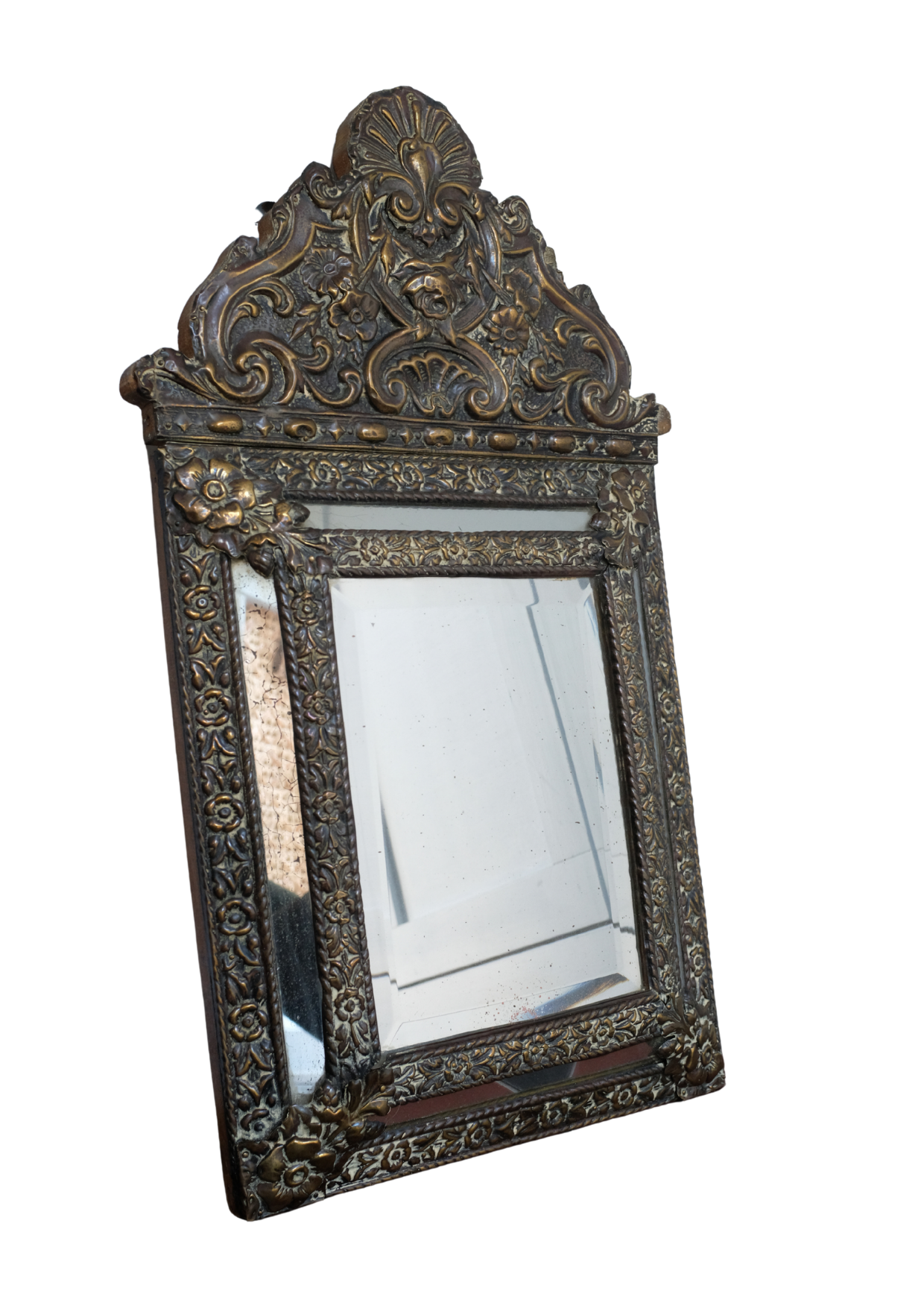
A well-made Venetian mirror is more than a decorative accessory. It is a piece of functional art that carries centuries of tradition into the present. With proper care, including gentle cleaning with a soft cloth and avoiding harsh chemicals, it can retain its brilliance for generations.
As design trends evolve, the appeal of Venetian craftsmanship remains constant. By choosing a manufacturer committed to quality, authenticity, and artistry, you invest in a piece that reflects not only light, but also the enduring legacy of Venice itself.