
This is an old revision of the document!
Athletes are timed from the start of the sprint to the finish of the carry, and the cumulative time reflects their performance. Lower scores indicate better performance, as they signify quicker completion times. The SDC score is calculated by adding the total time taken to complete all three components.
The scoring for the 5000 Meter Row is based on the time it takes to complete the distance. Each soldier's time is recorded, and points are awarded based on performance relative to the established standards. The scoring is designed to reward both competitive and non-competitive soldiers, encouraging all to strive for improvement.
(Image: https://freestocks.org/fs/wp-content/uploads/2016/10/chain_basketball_net-1024x683.jpg)The Army has recognized these concerns and has made adjustments, such as gender- and age-adjusted scoring, to ensure fairness in the assessment process. Challenges and Criticisms Despite its benefits, the ACFT has faced criticism and challenges since its implementation. One major concern revolves around the inclusivity of the passing score. Critics argue that the ACFT may disproportionately impact certain demographics, particularly female soldiers and older personnel.

Unlike traditional running events, rowing engages multiple muscle groups, including the legs, back, and arms, making it a comprehensive workout. The 5000 Meter Row is a challenging endurance event that measures a soldier's cardiovascular fitness and muscular endurance. The row is performed on a rowing machine, which provides a controlled environment for performance measurement.
This part of the test evaluates grip strength, endurance, and overall functional strength, as well as the athlete's ability to maintain proper form under fatigue. Carry: The final segment involves carrying a heavy object, such as a kettlebell or a weighted implement, over a designated distance, again typically around 10-20 meters.
Nutrition and Recovery: Proper nutrition and recovery are essential for optimal performance. Ensure a balanced diet rich in carbohydrates, proteins, and healthy fats. Prioritize rest and recovery days to allow muscles to repair and grow stronger.
Different standards are applied to male and female participants, as well as to various age groups. This means that a 25-year-old male will have different scoring benchmarks compared to a 45-year-old female. To ensure fairness and encourage participation, the CFT scoring system includes age and gender adjustments. These adjustments are crucial for recognizing that physical capabilities can vary significantly across demographics.
This theoretical article aims to explore the concept of the ACIM Fitness Calculator, its components, and its potential impact on personal fitness journeys. In the modern age of health and fitness, technology plays an integral role in how we monitor and improve our physical well-being. One of the innovative tools that have emerged in this realm is the ACIM Fitness Calculator.
The goal is to measure the athlete's speed and acceleration over a short distance, reflecting their explosive power and overall sprinting ability. Sprint: This portion of the test typically involves a short-distance sprint, often 20-30 meters.
The ACIM Fitness Calculator can sync with these devices, allowing for real-time data collection and analysis. Many fitness enthusiasts already utilize devices like smartwatches and fitness trackers to monitor their daily activity levels. Another noteworthy aspect of the ACIM Fitness Calculator is its integration with wearable technology. This integration enhances the accuracy of the calculator's recommendations and ensures that users have access to up-to-date information about their fitness progress.
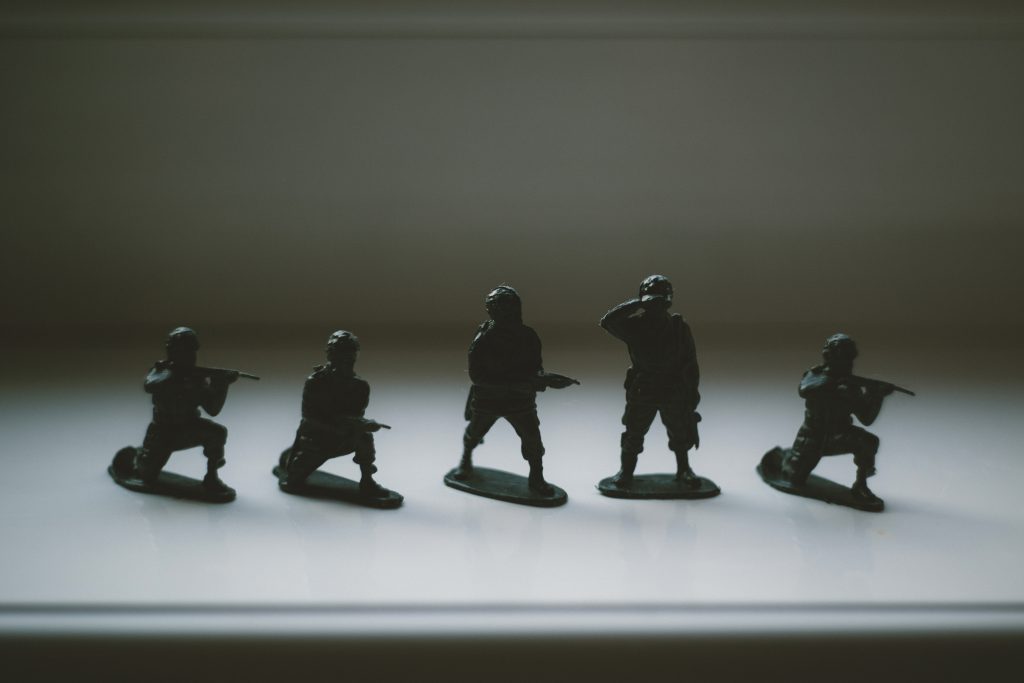
(Image: https://freestocks.org/fs/wp-content/uploads/2016/10/toy_soldiers-1024x683.jpg)This article delves into the details of the Sprint Drag Carry score, its components, benefits, and how to effectively incorporate it into training. In the world of fitness and athletic performance, the Sprint Drag Carry (SDC) score has emerged as a vital metric for assessing an athlete's functional strength, speed, and endurance. This multi-faceted test is designed to evaluate an athlete's ability to sprint, drag weight, and carry load, making it an essential component of training regimens for various sports and physical fitness programs.
Athletes can use this information to tailor their training to address specific areas of concern. Injury Prevention: By engaging multiple muscle groups and promoting proper movement patterns, the SDC test can help identify weaknesses or imbalances that may lead to injury.
Strength Training: Incorporate strength exercises that target the major muscle groups used in rowing. Focus on compound movements such as squats, deadlifts, and rows to build overall strength and power.
Additionally, CFT scores can impact deployment eligibility. Service members who where do i input acft scores now 2026 not meet the minimum fitness standards may face restrictions on their ability to deploy, which can affect their careers and the overall readiness of their units.
Unlike traditional weightlifting exercises that may not translate directly to athletic performance, the SDC test simulates real-world movements athletes encounter in their respective sports. Functional Strength Assessment: The SDC test provides a comprehensive view of an athlete's functional strength.