
This is an old revision of the document!
The world of investing is huge and different, with numerous avenues obtainable for individuals seeking to safe their financial future. One such avenue that has gained traction in recent years is the use of Individual Retirement Accounts (IRAs) as a car for investing in precious metals. This text seeks to discover the types of treasured metals allowed in IRAs, the laws surrounding them, and the implications for traders.
Treasured metals, particularly gold, silver, platinum, and palladium, have long been thought of a secure haven for traders. Traditionally, these metals have maintained their value, even during financial downturns. In consequence, many individuals are now looking to include them of their retirement portfolios. However, not all precious metals may be held in an IRA. The interior Samsunmegahaber Income Service (IRS) has established particular guidelines relating to which metals are permissible.
Gold is probably the most effectively-recognized treasured metallic allowed in IRAs. The IRS stipulates that solely gold bullion that meets a minimal purity requirement of 99.5% is eligible for inclusion in an IRA. This means that gold coins such as the American Gold Eagle and the Canadian Gold Maple Leaf are acceptable, while sure collectible coins or those with lower purity ranges should not. The rationale behind this regulation is to ensure that traders are holding a tangible asset that retains its worth over time.
Silver is one other valuable metal that may be included in IRAs. Much like gold, the IRS requires that silver bullion must have a minimum purity of 99.9%. Acceptable forms of silver include the American Silver Eagle and varied silver bars produced by accepted refiners. Collectible silver coins, however, are typically not allowed, as they might not meet the purity requirements set forth by the IRS.
Platinum and palladium are additionally permitted in IRAs, with particular purity requirements. Platinum must have a minimal purity of 99.95%, while palladium have to be not less than 99.9% pure. Each metals will be held in the type of bullion bars or coins that meet these purity necessities. The inclusion of those metals in IRAs displays their growing popularity as funding choices, significantly as industrial demand for palladium and platinum increases.
One in every of the important thing aspects of investing in valuable metals via an IRA is the requirement for these assets to be stored in a safe location. The IRS mandates that precious metals held in an IRA must be saved in an authorised depository. That is to make sure the safety and safety of the assets, as well as to maintain compliance with IRS laws. Traders can not take physical possession of the metals; doing so would end in a taxable event. Instead, they should depend on the depository to manage and safeguard their investments.
The technique of setting up a precious metals IRA includes a number of steps. First, an individual must select a custodian that focuses on precious metals IRAs. This custodian will facilitate the acquisition and storage of the metals. Once a custodian is selected, the investor can fund their IRA via a rollover from an current retirement account or by making a direct contribution. After funding the account, the investor can then instruct the custodian to purchase the specified precious metals.
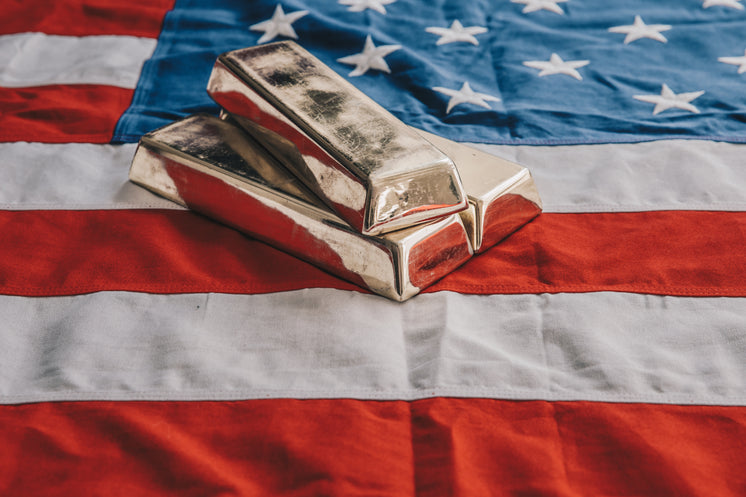
While investing in precious metals by means of an IRA can provide diversification and a hedge in opposition to inflation, it is not without its risks and issues. The price of valuable metals might be unstable, influenced by factors comparable to market demand, geopolitical events, and changes in economic conditions. Buyers should bear in mind of these fluctuations and consider their danger tolerance when incorporating these belongings into their retirement portfolios.
Additionally, there are charges associated with setting up and maintaining a precious metals IRA. Custodial fees, storage fees, and transaction charges can add up, potentially impacting the overall return on funding. It is essential for investors to totally analysis and understand these prices earlier than proceeding with their investment.
Another essential consideration is the tax implications of investing in valuable metals by means of an IRA. Typically, gains from the sale of precious metals held in an IRA are tax-deferred until withdrawal. This means that investors can potentially profit from compounding development with out incurring quick tax liabilities. However, once the metals are withdrawn, they're subject to taxation on the individual’s strange earnings tax fee. It's advisable for traders to seek the advice of with a tax skilled to fully perceive how these laws apply to their specific scenario.
In conclusion, the inclusion of precious metals in IRAs affords investors a unique opportunity to diversify their retirement portfolios and hedge against economic uncertainty. Gold, silver, platinum, and palladium are the primary metals allowed beneath IRS regulations, each with particular purity requirements. Whereas there are quite a few benefits to investing in these tangible property, potential investors should even be mindful of the associated dangers, prices, and tax implications. Because the panorama of retirement investing continues to evolve, valuable metals might play an increasingly essential position in helping individuals obtain their lengthy-term monetary objectives.