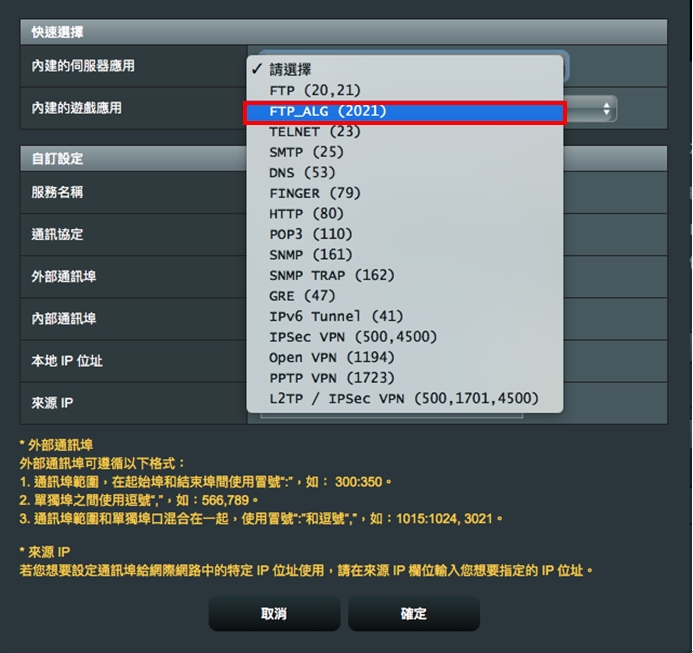
Websites that use HTTPS may receive a boost in search rankings compared to their HTTP counterparts, making it essential for developers to implement HTTPS to improve visibility. SEO Benefits: Search engines like Google consider HTTPS as a ranking factor.
As a response to these threats, many organizations are transitioning to HTTPS, which not only encrypts data but also enhances trust with users through security indicators such as padlock icons in browsers. One significant concern is the increasing prevalence of malicious attacks targeting web traffic. Cybercriminals often exploit the vulnerabilities associated with unencrypted HTTP traffic to execute man-in-the-middle attacks, session hijacking, and other nefarious activities. Despite its many advantages, the use of Port 80 is not without challenges.
Online port scanners are user-friendly tools that allow you to check the status of specific ports on your IP address. Popular online port scanners include: These tools typically require you to input your IP address and the MongoDB port 27017 semak port number you wish to check.
While it has played an essential role in the development of the web, its vulnerabilities and the rise of HTTPS highlight the need for continued evolution in web security practices. In conclusion, Port 80 remains a cornerstone of web communication, serving as the default port for HTTP traffic and facilitating the exchange of information across the internet. Understanding the significance of Port 80 is crucial for anyone navigating the complexities of the digital world, as it underscores the importance of secure communication in our increasingly interconnected lives. As users and organizations increasingly prioritize security and privacy, the landscape of web traffic will likely continue to shift, with Port 80 adapting to new standards and protocols.
Efficient Use of IP Addresses: Dynamic IP addressing allows ISPs to efficiently allocate IP addresses to devices as needed. This is particularly important given the limited availability of IPv4 addresses.
(Image: https://i-blog.csdnimg.cn/direct/f15a12d170d044e8b75c9b0c68164956.png)Telnet: This tool can be used to check if a port is open by attempting to establish a connection. If the connection is successful, the port is open; if not, it is closed. The command `telnet [IP address] [port]` will attempt to connect to the specified IP address on the designated port.
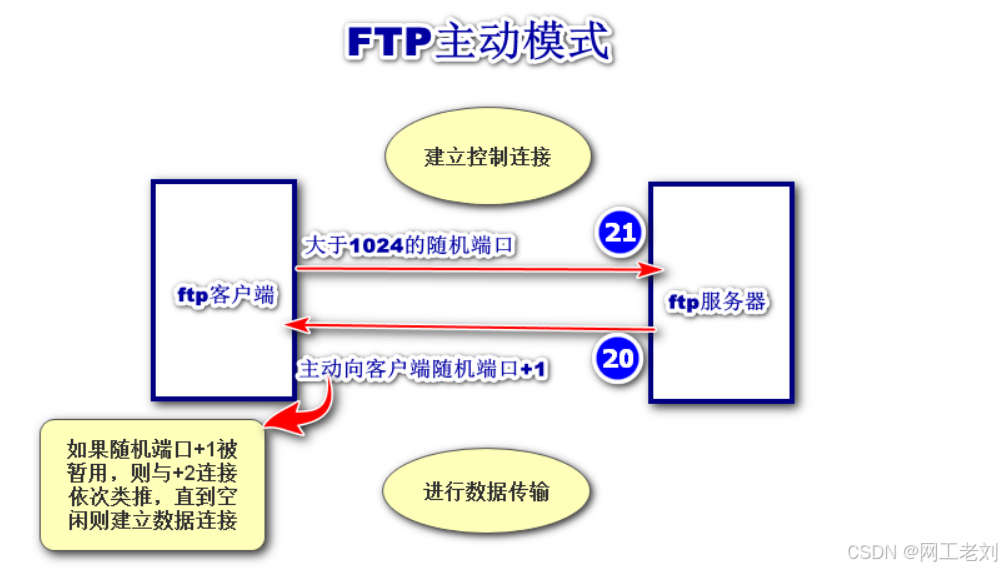
In summary, the differences between HTTP and HTTPS extend beyond their port numbers. As the internet continues to evolve, the adoption of HTTPS is becoming increasingly critical for ensuring secure online communication. For users, HTTPS enhances trust and security, while for developers, it offers SEO advantages and compliance with regulatory requirements. While HTTP operates on port 80 and lacks encryption, HTTPS utilizes port 443 and provides essential security features such as encryption, data integrity, and authentication.
This is particularly important for sensitive data, such as login credentials and payment information. Encryption: HTTPS encrypts the data exchanged between the client and the server, making it unreadable to anyone who might intercept it.
Step 1: Visit an online port checker website. Step 2: Enter your server's IP address and the port number you wish to check. The tool will inform you whether the port is open or closed. Step 3: Click on the “Check” button.
However, the default VNC port, 5900, is often targeted by cybercriminals due to its widespread use. Virtual Network Computing (VNC) is a popular tool that allows users to control a computer remotely. In an increasingly interconnected world, remote access has become an essential feature for businesses and individuals alike. This case study explores the importance of securing VNC port 5900 and outlines effective strategies to enhance its security.
Conversely, if you require a port to be open for specific applications, ensure that you have implemented adequate security measures, such as strong passwords, encryption, and regular software updates. If you find that a port is open and it should not be, take immediate action to close it. This may involve adjusting your firewall settings, configuring your router, or disabling unnecessary services on your device.
Browsers often display a padlock icon in the address bar to indicate a secure connection, which can influence users' willingness to share personal information. Trust and Security: Users are increasingly aware of online security issues. Websites with HTTPS are generally perceived as more trustworthy.
Here’s how to use these tools: If you prefer a graphical interface, several online tools can check if ports are open. Websites like “YouGetSignal” or “CanYouSeeMe” allow you to enter your server's IP address and the port number to check.
(Image: https://i-blog.csdnimg.cn/blog_migrate/e59cce8702d56416b290ca8f2ad730a2.png)When a domain name is linked to a static IP, users can reliably access the website without worrying about IP address changes. Improved DNS Support: Static IP addresses work well with Domain Name System (DNS) services.
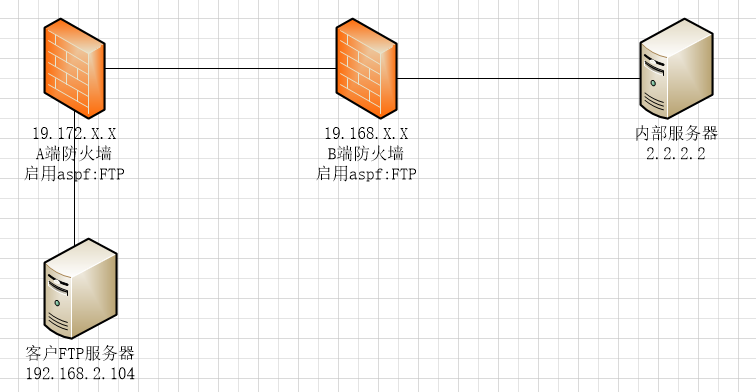
(Image: https://kmpic.asus.com/images/2018/10/25/6829ff41-adab-43c8-bac1-19f27bcffb0a.jpg)The choice of Port 80 for HTTP is largely historical; it was established as the default port for web traffic in the early days of the internet and has remained a standard ever since. This communication occurs over the HTTP protocol, which is designed to transmit hypertext documents, such as HTML files, images, and videos, seamlessly across the internet. When users type a URL into their browsers or click on a link, their browsers send requests to web servers through Port 80. Port 80 is primarily used for web traffic.