This is an old revision of the document!
(Image: https://shuyeidc.com/wp/wp-content/uploads/2025/11/20251119083259176351237963687.jpeg)By changing the port, you can obscure your SSH service from casual attackers and reduce the volume of brute-force attacks. The default SSH port (22) is frequently scanned by attackers using automated tools. While this measure should not be considered a comprehensive security solution—since determined attackers can still find your SSH service—it is a useful layer of defense in a multi-faceted security strategy.
This process can be repeated multiple times, leading to a flood of traffic directed at the target server, which may become overwhelmed and unable to respond to legitimate requests. The query might request information about a domain, such as its associated IP address. If the attacker has spoofed the target's IP address, the resolver will send the response to the target instead of the attacker. The resolver, upon receiving the query, responds with a DNS response that contains the requested information. To illustrate how a DNS amplification attack works, consider a scenario where an attacker sends a DNS query to a publicly accessible DNS resolver.
(Image: https://i-blog.csdnimg.cn/blog_migrate/bb5d4ecae0d9bab2a1d26eec6e75df40.png)By understanding the mechanics behind these attacks and implementing effective preventive measures, organizations can better protect themselves from the devastating impact of DDoS attacks. In conclusion, DNS amplification attacks represent a significant threat to the availability and reliability of online services. As the internet continues to evolve, staying informed about emerging threats and adapting security strategies accordingly will be crucial for maintaining a secure digital landscape.

Moreover, many email service providers have implemented stricter authentication measures, such as requiring SMTP authentication (SMTP AUTH) over secure ports like 587 or 465. As a result, users are encouraged to transition to these more secure ports for sending emails. These ports provide encrypted connections, making it more difficult for attackers to intercept and exploit email traffic.
Uncomment this line by removing the `#` and change `22` to your desired port number (for example, `2222`). Make sure that the new port number is not already in use by another service and is within the valid port range (1-65535).
(Image: https://pica.zhimg.com/v2-5c5ea9bdb5b73b4f8d458aebe8f5c398_1440w.jpg)To change the SSH port, you first need to access your server. Ensure you have administrative privileges, as changing the SSH configuration requires root or sudo access. This can be done through the terminal if you have physical access or via a current SSH session.
For gamers, it is crucial to allow outbound traffic on port 27015 to ensure that game data can be sent back to the server, allowing for smooth gameplay and communication with other players. Outbound Traffic Rules: Similarly, outbound rules control what traffic can leave the computer or network.
This article delves into the mechanics of DNS amplification attacks, their implications, and preventive measures that can be taken to mitigate their impact. Among the various methods employed by attackers, DNS amplification attacks stand out due to their efficiency and potential for causing widespread disruption. In the realm of cybersecurity, Distributed Denial of Service (DDoS) attacks have emerged as a significant threat to the integrity and availability of online services.
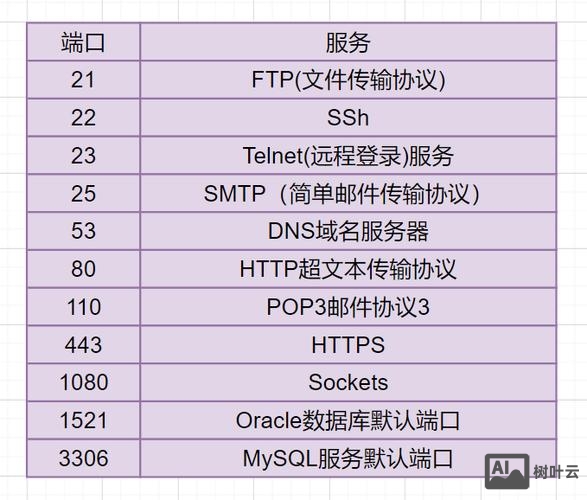
Changing the default SSH OpenVPN port 1194 vérifier port; https://check-port.com/fr/port-info/1194, can be a simple yet effective way to enhance the security of your server. While it is not a foolproof solution, it adds an additional layer of obscurity that can deter casual attackers. By following the steps outlined above and adhering to best practices, you can significantly improve the security posture of your SSH service and protect your systems from unauthorized access.
TTL (Time to Live): One of the primary factors that affect DNS propagation time is the TTL value set for each DNS record. TTL is a setting that tells DNS servers how long to cache a DNS record before checking back for updates. If the TTL is set to a low value (e.g., 300 seconds), changes will propagate faster. Conversely, a high TTL (e.g., 86400 seconds) means that DNS servers will hold onto the old record for a longer period, delaying the propagation of changes.
Finally, raising awareness and educating employees about the risks associated with DNS amplification attacks is essential. Organizations should invest in training programs that cover the basics of DNS security, the importance of proper server configuration, and the potential consequences of DDoS attacks.
Scripting Engine: Nmap includes a powerful scripting engine that allows users to write custom scripts for specific tasks, enhancing its functionality. Network Mapping: Nmap can generate graphical representations of network topology, helping visualize complex networks.
(Image: https://pica.zhimg.com/v2-b5e4b12a3bf29e14d083af60e4402cf8_1440w.jpg)Understanding DNS propagation and the factors that influence its timeframe is crucial for anyone involved in managing a website or online service. With the right knowledge and tools, you can navigate the complexities of DNS propagation with confidence, ensuring that your online presence remains robust and reliable. While changes can often take effect quickly, being prepared for potential delays and implementing best practices can help ensure a smoother transition.