
It is also less affected by temperature fluctuations and does not fade as quickly as asphalt. Concrete, on the other hand, is known for its strength and ability to withstand heavy loads, making it an excellent choice for commercial applications and high-traffic areas. However, concrete is more prone to cracking if not installed correctly or if the ground beneath it shifts.
This natural phenomenon can lead to cracking, buckling, or other forms of damage if not properly managed. Expansion joints are designed to accommodate the expansion and contraction of materials due to temperature changes. Expansion joints provide a necessary gap to allow for this movement, ensuring the longevity and durability of paved surfaces. When materials heat up, they expand; when they cool down, they contract.
The ability to customize the mix design to meet specific performance requirements makes HMA suitable for a wide range of applications, further solidifying its status as a go-to material in the construction industry. It is also used in airport runways, racetracks, and even recreational surfaces such as tennis courts and playgrounds. The versatility of hot mix asphalt extends beyond traditional roadways.
When constructing roads, parking lots, or any large paved surfaces, expansion joints are crucial components that help manage the stresses caused by temperature fluctuations, moisture changes, and other environmental factors. Both asphalt and concrete are commonly used materials in construction, and understanding the differences in their expansion joints is essential for effective design and maintenance. This article explores the characteristics, applications, and advantages of asphalt and concrete expansion joints, helping you make informed decisions for your projects.
One of the primary advantages of hot mix asphalt is its durability. Additionally, HMA can be designed to meet specific performance criteria, such as resistance to rutting, fatigue, and thermal cracking, making it suitable for a wide range of applications. The flexibility of asphalt allows it to expand and contract with temperature changes, reducing the likelihood of cracking and other forms of damage. When properly designed and constructed, HMA can last for decades, making it a cost-effective choice for road construction.
These joints are specifically designed to handle the thermal expansion and contraction of concrete, which is more rigid than asphalt. Common types of concrete expansion joints include: Concrete expansion joints, on the other hand, are used in rigid pavement systems.
(Image: https://burst.shopifycdn.com/photos/a-woman-holds-up-the-i-love-you-sign.jpg?width=746&format=pjpg&exif=0&iptc=0)A clean surface is essential for the paint to adhere properly and ensure longevity. Preparation Work: If the parking lot requires extensive preparation, such as cleaning, repairing cracks, or resurfacing, this will add to the overall cost.

(Image: https://burst.shopifycdn.com/photos/starting-a-list.jpg?width=746&format=pjpg&exif=0&iptc=0)Geographic Location: The cost of asphalt can vary from region to region. Additionally, local regulations and the availability of materials can also impact costs. Urban areas with high demand for asphalt services may see higher prices compared to rural areas.

By considering factors such as size, paint type, and preparation work, they can better budget for this essential maintenance task. In conclusion, understanding the costs associated with parking lot striping is vital for property owners and managers. As the demand for parking continues to rise, ensuring that parking lots are well-maintained and clearly marked will remain a priority for businesses and institutions alike. With average costs ranging from $10 to $25 per space, investing in quality striping can enhance safety, aesthetics, and overall property value.
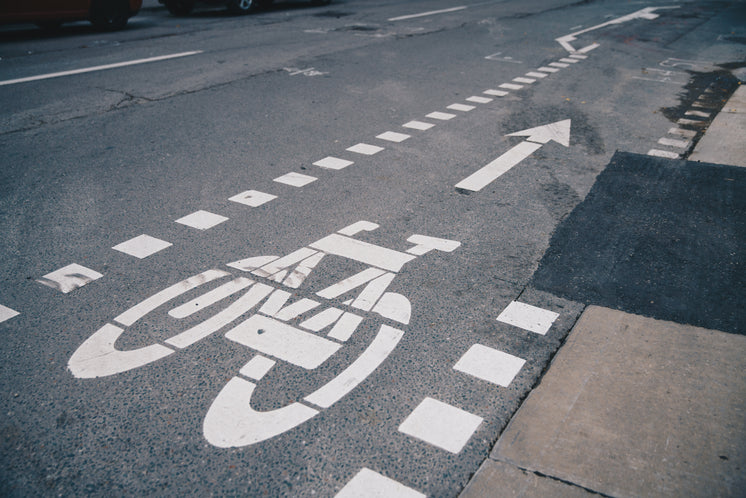
(Image: https://burst.shopifycdn.com/photos/city-bike-lane.jpg?width=746&format=pjpg&exif=0&iptc=0)If the driveway will regularly accommodate heavy vehicles, such as trucks or trailers, it is essential to increase the thickness to ensure it can support the weight without deforming or cracking. Traffic Load: The expected traffic load is a crucial consideration.
Applications: Asphalt is commonly used for roadways and parking lots, where flexibility is essential. Concrete is often used in industrial settings, sidewalks, and driveways, where durability and load-bearing capacity are prioritized.
This price range generally includes the cost of materials, labor, and equipment. However, it is essential to note that these figures can fluctuate based on geographic location, the complexity of the project, and market conditions. The cost of asphalt for commercial parking lots can vary significantly based on various factors, but on average, it ranges from $2.50 to $5.00 per square foot.
However, it is 100% recyclable, and many asphalt projects utilize recycled materials, which can help mitigate its environmental impact. Asphalt is a petroleum-based product, which raises concerns about its sustainability and environmental footprint. Finally, the environmental impact of both materials should be considered.
In such cases, a thicker asphalt layer or additional base material may be necessary to provide stability. If you beloved this article and also you would like to get more info concerning Road Construction Calculator kindly visit the page. Soil Conditions: The type of soil beneath the driveway plays a significant role in determining the appropriate thickness. Poorly compacted soil or clay-heavy soils can lead to increased settling and potential cracking.