
(Image: https://cdn.prod.website-files.com/6714320ba85d0d0e22bc7471/693cb206662ea1b465a49dad_AdobeStock_422481360_Editorial_Use_Only.jpeg) In recent years, the world of private aviation has experienced a outstanding transformation, reflecting broader tendencies in luxurious travel, enterprise effectivity, and personal convenience. Observing the rise of private planes reveals not only the allure of exclusivity but additionally the altering dynamics of air travel, influenced by technological developments, financial elements, and shifting client preferences. This text delves into the nuances of private aviation, exploring its appeal, the demographics of its users, the operational intricacies, and the environmental issues that accompany this mode of travel.
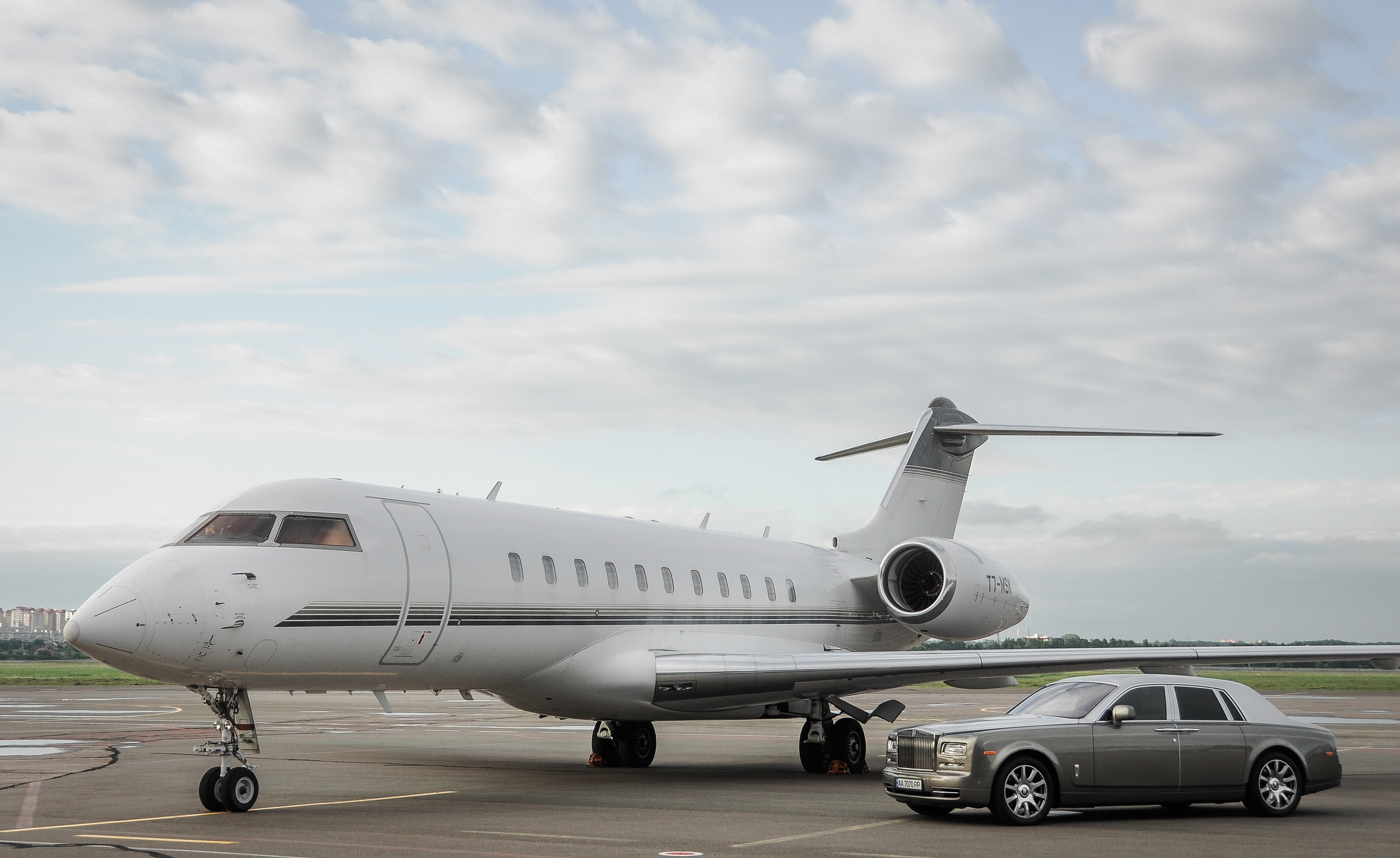
Private aviation has lengthy been synonymous with luxurious and exclusivity, often perceived as a privilege reserved for the rich elite. Nevertheless, the panorama is altering. More than ever, individuals from numerous backgrounds are exploring private flying as a viable option for each business and leisure. The pandemic accelerated this trend, as industrial airways confronted unprecedented disruptions, leading many to seek safer and more reliable journey alternate options. Observations at numerous private airports reveal a diverse clientele, from corporate executives to households seeking a more snug journey expertise. The allure of avoiding lengthy security traces, crowded terminals, and the unpredictability of economic flight schedules has made private aviation more and more interesting.

One of the striking features of private aviation is the demographic shift among its customers. Historically dominated by excessive-net-price people, the sector has seen an inflow of younger travelers, significantly entrepreneurs and tech-savvy professionals who prioritize time effectivity and flexibility. A go to to a private jet terminal usually showcases a mix of individuals dressed in business attire and informal put on, highlighting the evolving nature of luxurious travel. These travelers aren't solely searching for comfort but are also searching for a seamless experience that aligns with their fast-paced lifestyles.
Moreover, technological developments have played a pivotal function in transforming the private aviation business. The appearance of mobile functions and online platforms has made booking private flights more accessible than ever. Users can now examine costs, discover different aircraft options, and ebook flights within minutes, all from the comfort of their smartphones. This democratization of private flying has opened the door for a broader viewers, permitting even those that might not own a jet to experience the advantages of private travel through charter companies and fractional ownership packages.
Operationally, private aviation presents a singular set of challenges and alternatives. Observations at numerous fixed-base operators (FBOs) reveal a excessive stage of service and attention to detail that sets private flying apart from industrial aviation. From customized greetings upon arrival to bespoke catering options, the emphasis on customer expertise is palpable. FBOs operate as the gateway to private aviation, providing companies ranging from fueling and maintenance to concierge companies that can arrange floor transportation and accommodations. The effectivity of these operations is crucial, as private jets typically operate on tight schedules, requiring fast turnarounds and seamless coordination.
However, the rise of private aviation is not without its criticisms, particularly concerning environmental influence. Observers note the numerous carbon footprint related to private flying, as these aircraft typically devour more gasoline per passenger than industrial airways. The industry has begun to address these issues, with many operators investing in more fuel-efficient aircraft and exploring sustainable aviation fuels (SAFs) as a method to scale back emissions. Moreover, some private jet companies have initiated carbon offset packages, allowing travelers to contribute to environmental projects that mitigate their journey influence.
Regardless of these efforts, the notion of private aviation as an environmentally unfriendly mode of journey persists. Observations at environmental forums and discussions reveal a growing demand for transparency and accountability within the trade. Customers are more and more aware of their carbon footprints and are seeking methods to align their journey selections with their values. This shift presents both challenges and opportunities for the private aviation industry, as it navigates the delicate balance between luxury and sustainability.
Another noteworthy remark is the influence of geopolitical occasions on private aviation trends. Financial fluctuations, political instability, and global health crises can significantly affect travel patterns. As an illustration, throughout times of uncertainty, private aviation often sees a surge in demand as people and firms prioritize safety and adaptability. Observations from private airports during such periods reveal a marked enhance in bookings, as shoppers seek to avoid the potential risks related to commercial travel. This resilience underscores the adaptability of the private aviation sector, as it responds to the altering panorama of world travel.
In addition to enterprise-related travel, private aviation has additionally turn into a preferred selection for leisure travelers looking for unique experiences. Observations at various locations reveal a rising pattern of “bleisure” travel, the place individuals combine business trips with leisure activities. Private jets facilitate this development by allowing travelers to access remote locations that may not be simply reachable by business airways. Whether or not it’s a weekend getaway to a tropical island or a ski trip to a mountain resort, private aviation offers the flexibleness and comfort that modern travelers crave.
As we look to the longer term, the private aviation business is poised for continued progress and evolution. The rise of electric and hybrid aircraft presents thrilling prospects for reducing environmental impact while maintaining the benefits of private flying. Additionally, developments in know-how, akin to synthetic intelligence and information analytics, are seemingly to reinforce operational effectivity and customer expertise further. Observations recommend that the industry will continue to adapt to the altering needs and preferences of its clientele, making certain that private aviation stays a related and interesting choice on this planet of journey.
In conclusion, the world of private aviation is a fascinating microcosm of luxurious, effectivity, and evolving shopper conduct. Observations reveal a dynamic trade that is responding to the calls for of a diverse clientele while grappling with the challenges of sustainability and environmental duty. As private aviation continues to develop and adapt, it should undoubtedly play a big role in shaping the way forward for travel, providing unparalleled comfort and exclusivity to those who choose to take to the skies in type.