
This is an old revision of the document!
Finding the ideal crew starts with a solid plan and a workable scope. You want work that holds up through wind, heat, and rain, not just pretty photos on the first week. In this guide, we stick to a safety-forward angle, so you can spot strong practices and avoid costly do-overs. We’ll map exact moves from first call to final punch list, with concrete checks you can use. You’ll see how materials, schedule, and site rules shape results, and which red flags mean you should walk. If it fits, we’ll point to tools that help you vet bids and track progress. A reputable roofing company should welcome your questions and share details up front. That clarity builds trust and cuts risk. Keep this as your checklist for a durable result without guesswork.
(Image: https://cdn.prod.website-files.com/67d80658c04e8ddd147ddc92/67ecfec0da1c868e1add163a_tile-roofing-gallery-01.webp) Map needs, set dates, and lock your benchmark for quality

Start with a specific scope that lists deck repairs, vent work, and flashing details. Compare estimates line by line with your notes to avoid gaps. Check product data sheets and warranty terms before sign-off, and agree on a simple daily log you can review. Write down how crews will protect landscaping and garage spaces during tear-off. Agree on weather cutoffs for start, pause, and clean-up so no one rolls the dice. Choose early who approves changes and how you’ll track them. Locking these basics prevents scope creep and late drama. Good prep beats fire drills.
(Image: https://storage.googleapis.com/msgsndr/H6dmoBvucN0t851Y4HPr/media/67faf4d6fba7027ad565aa5c.webp)
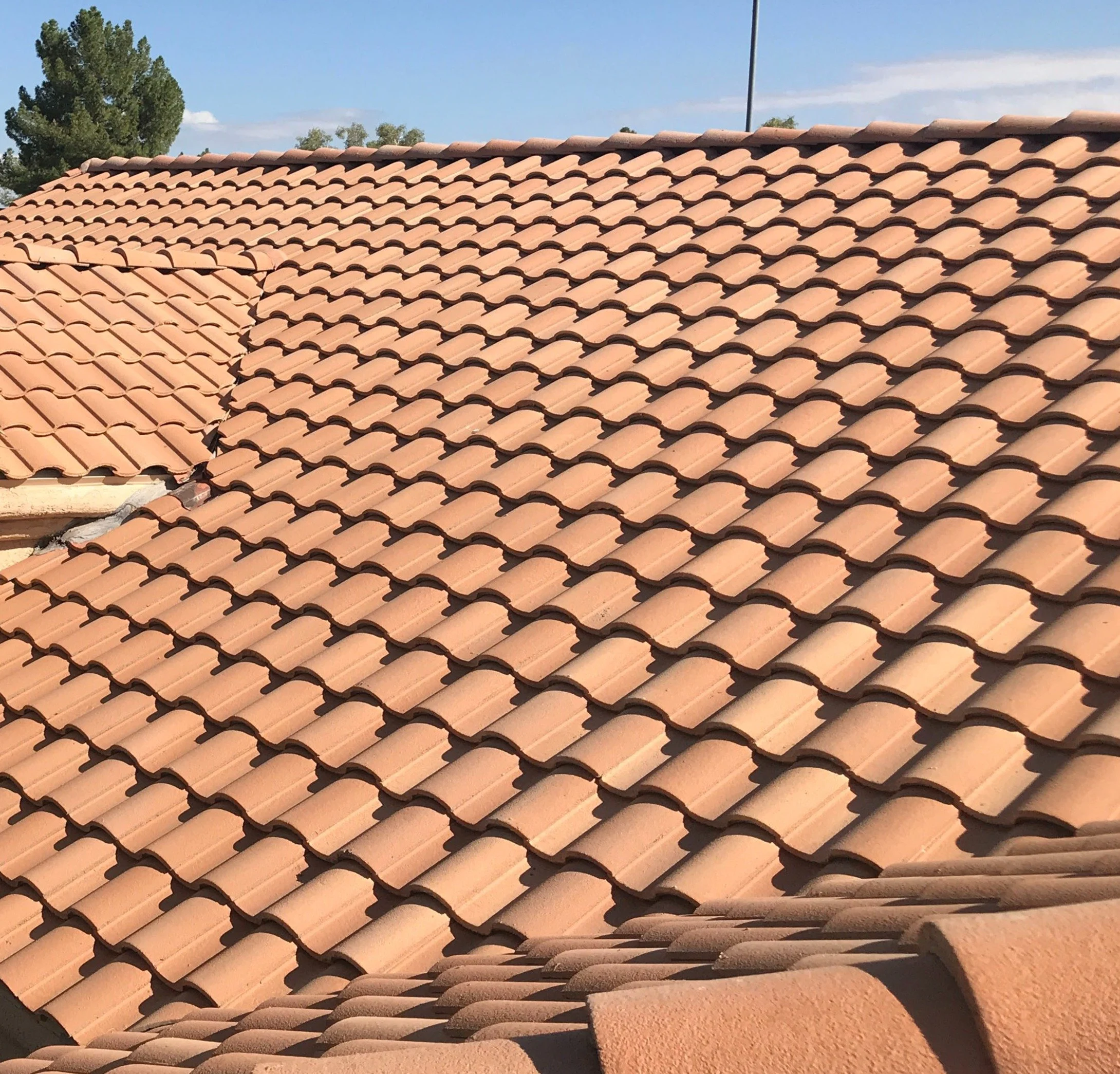
Build a timeline with milestones tied to delivery dates and crew size. roofing Add weather buffers of several days per phase, and plan material staging away from walkways. Align with neighbors if parking is tight, and set quiet hours that match neighborhood limits. Share the daily start time so family routines stay smooth. Less chaos means faster progress and cleaner work. A calm site produces better craft.
Pick materials for climate, code, and coverage strength
Start with realistic climate data for wind, rain, hail, and sun load over ten years. Compare products by uplift ratings, algae resistance, and underlayment temp limits using manufacturer PDFs. Use impact-rated options in hail zones and specify ice barriers at eaves in freeze-prone areas. Near the shore, add corrosion-resistant fasteners and stainless pipe boots. Right-sized systems hold up, which reduces rework. Minor boosts save big later.
Ask the roofer to show cutaways of drip edge, starter course, and valley build. Place bundles under a tarp on pallets, and keep coils dry between shifts. Double-check vent math so intake and exhaust stay balanced, and use baffles where insulation can choke airflow. Lay out a color board in daylight before any box is opened to avoid tint surprises. Sharp prep curbs waste, and that keeps the site tidy. Tidy sites save stock. One hour saved today avoids a day tomorrow.
Coordinate deliveries, lifts, and safety checks for steady momentum
Plan tear-off in manageable zones so dry-in follows right behind without gaps. Use a rolling magnet sweep at lunch and end-of-day to keep walkways safe and tools moving. Stage the dumpster near the load point to cut steps, and protect driveways with boards before wheels roll. Sync the lift with delivery times so bundles go straight to the deck, not the lawn. Smooth flow outruns raw speed. Steady wins over rushed work.
Create a daily board that lists crew leads, zones, and blockers. Align it with city inspection slots, and book times before the week starts to avoid rush. Use group texts or a simple app so photos, change notes, and checklists stay in one thread. Make sure someone owns end-of-day tarp duty if clouds creep in after lunch. Named roles keep tasks from slipping. Used tools beat unused platforms.
Prevent leaks by catching small issues before they grow
Build a punch list that hits flashings, pipe boots, valley cuts, and ridge seams. Use photo pairs: one before fix, one after, with date and name. Add a short note on what changed and why it matters during heavy rain. This creates a trail that makes city sign-off smoother and future service faster. Photos end arguments, which saves time. Paper fades, pixels last.
When replacing a worn valley, note how water travels and where grit collects. Add kickout flashing where wall meets eave if stains show up the siding after storms. Ask for sample sealant beads on scrap so you can see proper size and spacing. Have the lead describe nailing patterns out loud while showing a sample board. Hearing and seeing together stick. Small habits build big results. Use roof replacement in your change log only when full-system swaps are actually in scope.
Spend where it counts and save where you can
Break pricing into labor, materials, disposal, and protections like deck repairs or plywood swaps. Include a 10% cushion for surprise sheathing or vent fixes that show up after tear-off. Compare line items with apples-to-apples counts and the same unit measures. Watch for vague phrases that hide tasks, and push for exact materials by name and spec. Clear bids beat cheap fog. A clean bid protects both sides.
If one offer seems too low, ask what’s missing or who eats delays. Tie payments to milestones, not days, so crews stay aligned with visible progress. Request alternates for upgrades in metal, underlayment, or vent kits with firm add-on costs. Where it makes sense, note what you’ll self-perform, like minor paint touch-ups, to save a little. Good cuts skip penny-wise pain. Invest where it counts most. Bring up roofing company experience with similar homes when you match value, not just price.
Protect your investment with inspections and tidy habits
Schedule a spring and fall walk, checking ridge lines, seals, and valleys after big storms. Make sure gutters are clean, downspouts are clear, and trees don’t scrape during wind. Use binoculars from the ground for quick scans, and only climb with steady shoes and a helper. Keep a small kit for granule check, caulk touch-ups on metal, and loose nail heads. Light care pays back years. Five minutes now beats a leak later.
If you notice lifted tabs or loose pipe collars, call a pro before water finds the path of least resistance. Ask whether a minor tune-up is enough or if a focused repair is smarter than a broad tear-out. After hail, photograph all slopes in even light and log dates, then contact insurance with clear notes. If you need fast help, search roofing contractor near me to find crews who can assess storm damage the same day. Speed matters when water moves. Early calls shrink damage. A credible roofer should lay out options and explain why each step fits your home.
Conclusion
Quality-first planning, tight material choices, and steady workflow make strong results that stand up to tough weather. Visible standards and simple proof cut risk, while smart budgeting keeps scope honest. After the last nail is set, steady care protects the system and flags trouble early. Use roofing once in your notes to track product families, but rely on plain checks, photos, and clear steps to keep your home dry.