
This is an old revision of the document!
You want a smooth project with clear steps, fair pricing, and no last-minute drama. A skilled roofer helps you get there, but you also need a plan that accounts for timing, site limits, and small details that can slow crews. Start with a simple checklist, then layer in weather windows, lead times, and what-ifs like surprise rot. Booking before the busiest season gives you better scheduling flexibility and steadier pricing. Ask for photos of similar jobs, sample timelines, and a list of tasks that happen before tear-off day. You’ll want to know who protects landscaping, how trucks and dumpsters stage, and when inspections occur. When you prepare early, you protect your home and your wallet.
Scope in detail and align goals before crews roll up
Start with a section-by-section walk, noting skylights, valleys, and tricky flash points. roofing Bring printed sketches and mark access paths so trucks and dumpsters fit without tearing turf. Request a simple, bulleted day-by-day outline so you know when tear-off, dry-in, and cleanup happen. When pets need space, note where they’ll go during work. Tiny details agreed early avoid mid-project delays.
For a small duplex, you might split the job across two mornings to keep parking open for tenants. Ask for door hangers on each unit so residents aren’t surprised by dust. Confirm who moves patio furniture and where materials stack overnight. A single daily update stops mixed messages. Clear roles and a checklist keep everyone aligned.
Choose inputs that match climate and building style
Match shingles, underlayments, and metal edges to your wind zone and roof pitch. roofing In a lakefront cottage, for example, coastal-rated fasteners and sealed ridge vents shed driven rain. View colors outdoors at midday to avoid washout that hides texture. For modern lines, pick sleek, color-matched edges. Better-suited parts last longer with less upkeep.
(Image: https://roofingencinitas.com/wp-content/uploads/2020/01/Encinitas-Roofing-Pros-Roof-Repair-1.jpg)

When a multi-unit building faces heat waves, a lighter-color shingle can lower attic temps by several degrees. Pair it with high-temp underlayment over sun-baked areas to prevent slips. Add peel-and-stick at valleys to block meltwater. Ask your roofing company to provide material cut sheets so you understand ratings, warranties, and maintenance needs. Side-by-side specs make choices simpler.
(Image: https://roofingencinitas.com/wp-content/uploads/2020/01/Encinitas-Roofing-Pros-Roof-Repair-1.jpg) Map crew steps and schedule around weather and deliveries
Build a simple timeline: tear-off day, dry-in, inspections, and punch. roofing In a bungalow with narrow streets, morning deliveries avoid school drop-offs and keep sidewalks safe. Aim for consecutive days to limit exposure. Delay valley work if the forecast shifts suddenly. Small buffers protect the schedule.
Consider crew size versus roof complexity. A three-person team may fly on straight gables but slow on hips. Ask the foreman to flag bottlenecks by noon so vent holes don’t slip to end-of-day. When inspectors need 24 hours’ notice, call early. Your roof replacement should not stall on paperwork.
Safeguard craft and manage surprises from tear-off to finish
Quality starts at edges, where water tries to sneak under shingles. roofing In one ranch home, missing kick-out flashing sent water behind siding for years. Ask your roofing contractor near me to photo-document every flashing install. Require drip edge under felt at eaves per standard practice, and note any rot before covering. Measured steps keep problems from repeating.
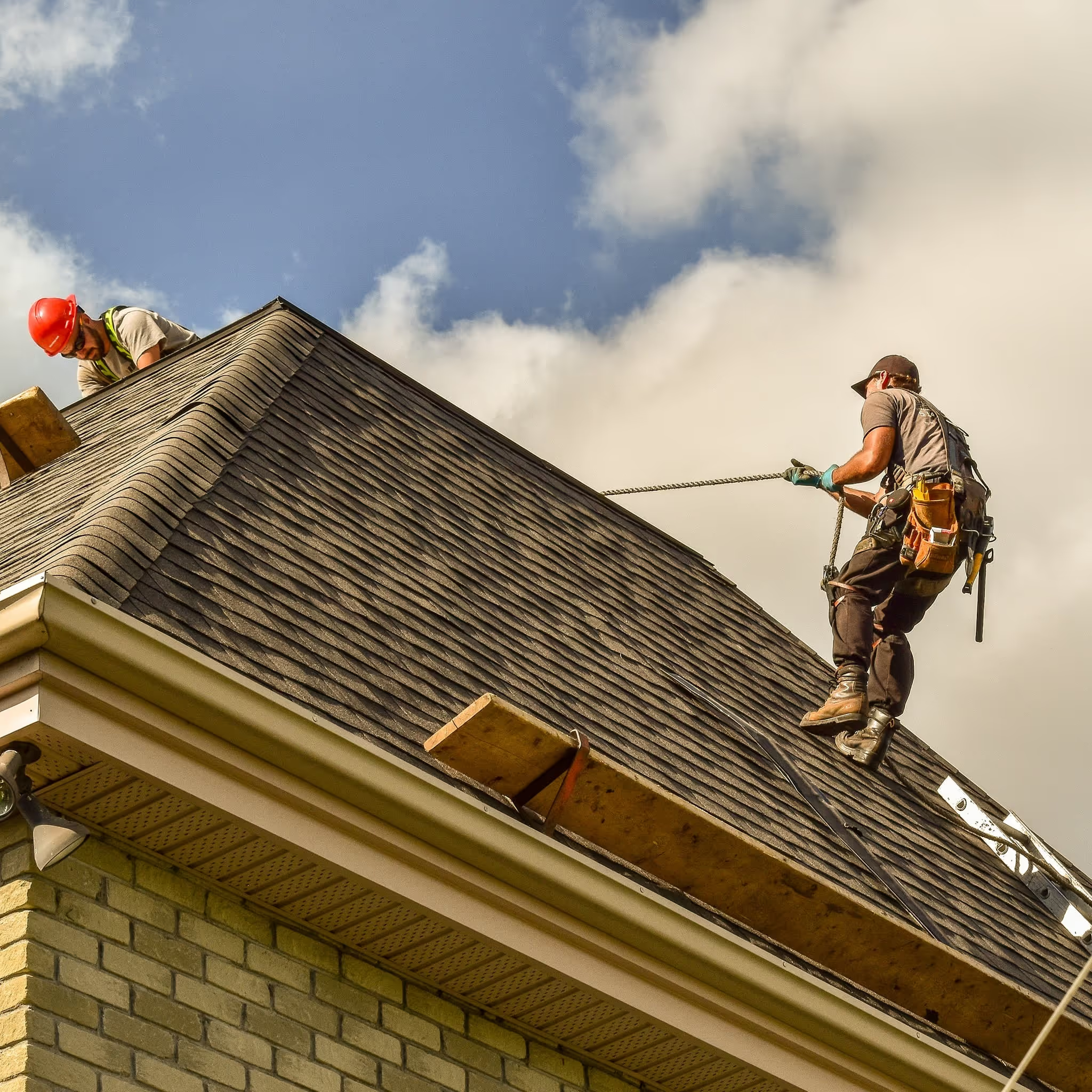
Risk also hides in ventilation, where heat can linger and ruin insulation. Balance intake at soffits with ridge exhaust to keep attics stable. Request an anemometer reading on large attics if the layout is tricky. Good crews show the calculations, not guesses. When numbers make sense, durability follows.
Budget smartly and weigh options without cutting essential corners
Costs rise with layers, details, and height; savings come from timing and bundles. roofing Align must-haves—deck repairs, flashing upgrades—with nice-to-haves like architectural caps. Ask for a good-better-best path with photos to see where money matters. Split phases by roof planes when logistics allow. Smart phasing keeps standards intact.
On a small office, choosing a standard shingle color saved lead time and expedite fees. The crew then spent more minutes on chimney flashing, where leaks are common. Your roofing company can reallocate labor to high-risk details. Right-sizing effort prevents over- and under-spend. Clear priorities make budgets work harder.
Verify alignment with your team and criteria for the right pro
Not every crew matches every project, especially with unusual layouts. Roofing Ask how many similar jobs they’ve finished in the past year, and in what conditions. Specific examples show real experience. For steep slopes, see photos of staging and harness points. The right roofing contractor near me brings clarity before contracts.
In a townhome row, good fit meant quiet start times and tidy shared spaces. Teams logged punch items with photos at dusk so neighbors stayed happy. If you manage an HOA, request unit-by-unit updates. The roofer who communicates well usually builds well. Team chemistry reduces friction when surprises pop up.
Conclusion Plan your scope, match materials to your climate, and shape the schedule to real-world constraints. Keep quality checks visible, and structure costs so essentials never slip. Balance these choices with a provider who fits your style and needs. With steady steps and clear decisions, your project stays predictable from first call to final sweep.