
By Health & Wellbeing · 2026-09-25
As you lace up your running shoes or prepare for a long day in the garden, your joints bear the brunt of every stride and bend. For many over 40, staying active is not just a choice; it's a vital part of life that fosters well-being. However, joint stiffness and discomfort can sometimes dim the enthusiasm for movement. In this context, glucosamine supplements have emerged as a popular choice, touted by many for their potential benefits in supporting joint health. But what exactly is glucosamine, and how does it fit into a proactive approach to joint care for active adults?
To navigate the complexities of glucosamine, it's essential to understand its forms, the current recommendations from health authorities, and the evidence surrounding its efficacy. This article will delve into glucosamine sulphate and hydrochloride (HCl), compare their differences, and provide insights into dosage, potential side effects, and who might benefit from supplementation. It pays to weigh up vegan glucosamine supplements before you commit to a setup.
Key Takeaways Glucosamine supplements may support joint health, but evidence is mixed NICE does not currently recommend glucosamine for arthritis Understanding the differences between glucosamine sulphate and HCl is essential Cost-effective options exist for those seeking joint support What is Glucosamine and How Does It Work?
Glucosamine is a naturally occurring compound found in the cartilage of joints. It plays a critical role in building and maintaining cartilage, which is essential for smooth joint function and mobility. There are two primary forms of glucosamine supplements available: glucosamine sulphate and glucosamine hydrochloride (HCl). Both are thought to support joint health, but they differ in their chemical composition and potential efficacy. (Image: https://cdn.photocache.online/cd72c0889a85/2b79a9e4a3a1.jpg)
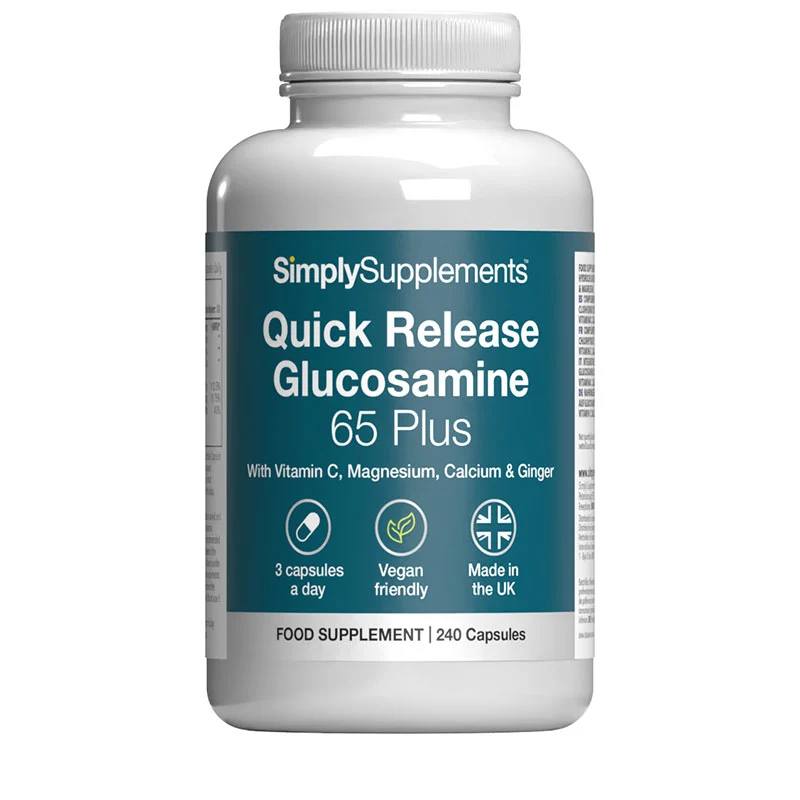
Glucosamine sulphate is often preferred in studies examining joint health, as it is believed to provide the building blocks necessary for cartilage repair. On the other hand, glucosamine HCl is a more concentrated form, but there is less scientific evidence backing its benefits. Understanding these differences can help you make an informed choice about which form may suit your needs better. What Do Health Authorities Recommend Regarding Glucosamine? The National Institute for Health and Care Excellence (NICE) in the UK has a cautious stance on glucosamine, stating that there is not enough robust evidence to recommend its use for osteoarthritis. This position can be surprising for many active individuals looking for joint support, especially since glucosamine is often marketed as a solution for joint health. The lack of endorsement from such a reputable source highlights the importance of being discerning when considering supplements. Options such as glucosamine sulphate brands reviewed help keep everything running smoothly here.
Furthermore, the National Health Service (NHS) maintains that while some people report benefits from glucosamine, the scientific evidence does not strongly support its effectiveness. This mixed evidence can make it difficult for individuals to determine whether glucosamine is a valuable addition to their health regimen. (Image: https://cdn.photocache.online/cd72c0889a85/553c83c906e.jpg) How to Choose the Right Glucosamine Supplement When selecting a glucosamine supplement, it's crucial to consider several factors, including the form of glucosamine, dosage, and potential allergens. The most commonly recommended dosage for glucosamine sulphate is typically 1500 mg per day, while glucosamine HCl may be taken in smaller doses due to its higher concentration.
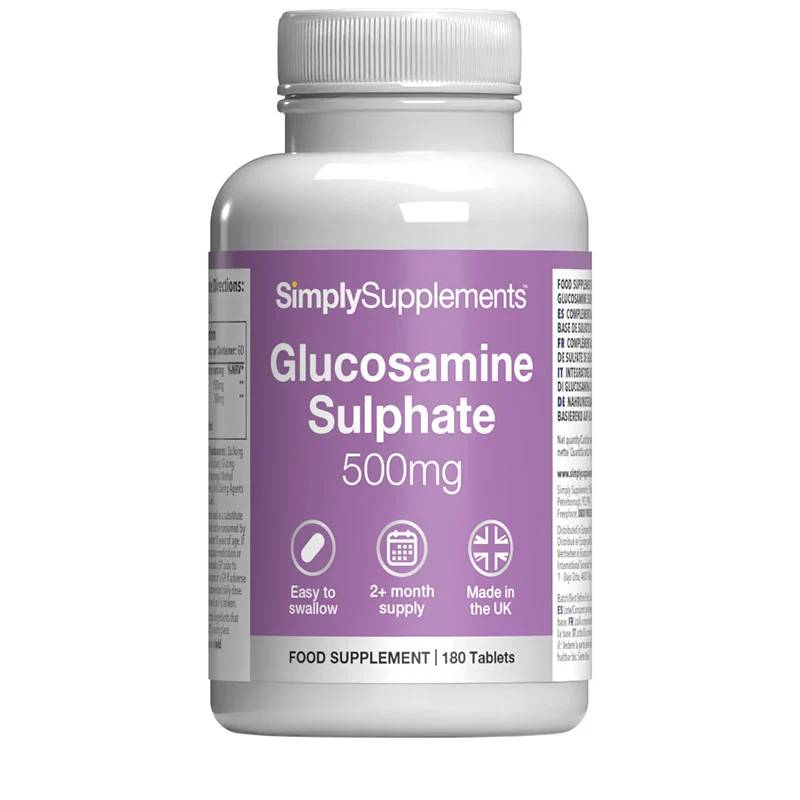
For those on specific diets, such as vegans, it's important to note that some glucosamine supplements are derived from shellfish. However, there are vegan options available that utilize fermented sources. Always check the label and consult with a healthcare professional if you have any dietary restrictions or allergies. For anyone scaling up, glucosamine capsules versus tablets is well worth a closer look. external page Understanding the Cost of Glucosamine Supplements Cost is a significant factor when considering glucosamine supplements, especially for active adults who may require long-term use. The price can vary widely based on the form of glucosamine, the brand, and the number of servings in each container. On average, glucosamine sulphate supplements can range from £15 to £30 per month, depending on the dosage and formulation.
When weighing your options, compare the cost per serving across different brands. Some products may appear cheaper upfront but offer fewer servings, so calculating the total monthly cost aids in making an informed decision. Many readers find it helpful to consult comprehensive resources that detail the best glucosamine supplements available in the UK, such as glucosamine cost per serving, which provide side-by-side comparisons of price, dosage, and additional ingredients. What Are the Potential Side Effects and Considerations? While glucosamine is often well-tolerated, some individuals may experience mild side effects, such as digestive discomfort, nausea, or headaches. It's worth noting that glucosamine may interact with certain medications, particularly blood thinners, so consulting a healthcare professional before starting any new supplement is advisable. (Image: https://cdn.photocache.online/cd72c0889a85/c399ebd89bef.jpg)
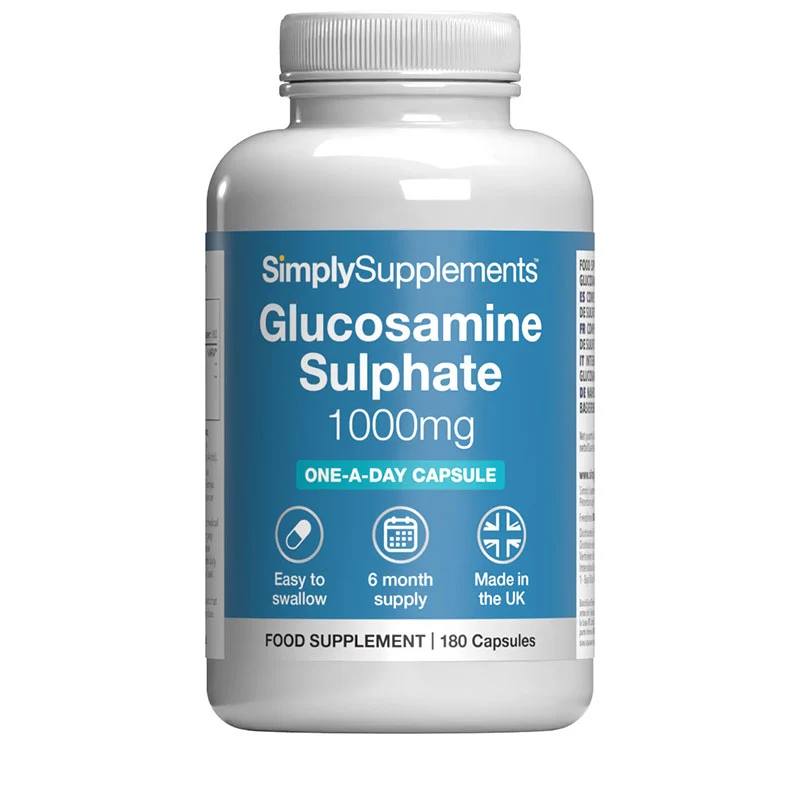
Moreover, glucosamine is not recommended for everyone. Individuals with shellfish allergies should avoid glucosamine derived from shellfish sources, and those with diabetes should monitor their blood sugar levels, as some studies suggest glucosamine might affect insulin sensitivity.
Frequently Asked Questions
What is the difference between glucosamine sulphate and glucosamine HCl?
Glucosamine sulphate is often considered more effective due to its role in cartilage maintenance, while glucosamine HCl is a more concentrated form with less supporting evidence. Choosing the right one depends on individual preferences and tolerance.
Is glucosamine safe for everyone?
While glucosamine is generally safe for most people, those with shellfish allergies or diabetes should consult a healthcare provider before using it, as interactions may occur.
How much glucosamine should I take daily?
The typical recommended dosage is about 1500 mg per day for glucosamine sulphate. However, it's essential to follow the specific instructions on the supplement label or a doctor's advice.
Can I take glucosamine if I am vegan?
Yes, but ensure you select a vegan-certified glucosamine supplement, as many are derived from shellfish. There are plant-based alternatives available on the market.
How long does it take to see results from glucosamine?
Some individuals report improvements in joint comfort and mobility after several weeks of consistent use, but results can vary widely based on individual factors and the specific form of glucosamine used.
What should I consider when comparing glucosamine products?
Consider the form of glucosamine, dosage, cost per serving, and any additional ingredients that may enhance joint support. Researching reputable sources can provide insight into the best options available.
Pros and Cons of Glucosamine Supplements
As with any supplement, it's crucial to weigh the benefits and drawbacks of glucosamine. Some potential advantages include the possibility of improved joint health and mobility, particularly for those with existing joint concerns. On the downside, the mixed evidence regarding its effectiveness and the lack of recommendation from NICE may cause some scepticism. Additionally, the cost of long-term supplementation can add up, particularly for those on a fixed budget.
Aspect Glucosamine Sulphate Glucosamine HCl Primary Use Joint health support More concentrated glucosamine source Recommended Dosage 1500 mg/day Lower doses due to concentration Scientific Support More evidence supporting efficacy Less evidence available Source Often shellfish-derived Can be plant-based
In summary, glucosamine supplements may offer some support for joint health, particularly for those engaged in an active lifestyle. However, given the mixed evidence and current recommendations from health authorities, it's essential to approach glucosamine with informed consideration. Always consult with a healthcare professional when adding supplements to your routine to ensure they align with your health goals and lifestyle.
{"@context":"https://schema.org","@graph":[{"@type":"BlogPosting","headline":"Glucosamine for Active Lifestyles: Supporting Joints Through Exercise","description":"Explore the role of glucosamine supplements in maintaining joint health for active adults over 40. Discover forms, dosages, and expert recommendations.","image":"https://cdn.photocache.online/cd72c0889a85/2b79a9e4a3a1.jpg","inLanguage":"en","datePublished":"2026-09-25T10:22:32.292Z","dateModified":"2026-09-25T10:22:32.292Z","author":{"@type":"Organization","name":"Health & Wellbeing","url":"https://www.healthwellbeing.com/best-glucosamine-supplements-uk-glucosamine-sulphate-brands-reviewed/"},"publisher":{"@type":"Organization","name":"Health & Wellbeing","url":"https://www.healthwellbeing.com/best-glucosamine-supplements-uk-glucosamine-sulphate-brands-reviewed/"},"keywords":"https://www.healthwellbeing.com/best-glucosamine-supplements-uk-glucosamine-sulphate-brands-reviewed/, www.healthwellbeing.com/best-glucosamine-supplements-uk-glucosamine-sulphate-brands-reviewed, healthwellbeing.com/best-glucosamine-supplements-uk-glucosamine-sulphate-brands-reviewed, read the full guide, this buying guide, this comparison, see the full comparison, this glucosamine guide, here, read the review, best glucosamine supplements UK, best glucosamine supplements, best glucosamine supplement, best glucosamine, best glucosamine UK, glucosamine sulphate brands reviewed, glucosamine sulphate vs HCl, glucosamine sulphate vs hydrochloride, glucosamine sulphate supplements, UK glucosamine supplements compared","wordCount":1171,"speakable":{"@type":"SpeakableSpecification","cssSelector":[".key-takeaways","h1"]}},{"@type":"FAQPage","mainEntity":[{"@type":"Question","name":"What is the difference between glucosamine sulphate and glucosamine HCl?","acceptedAnswer":{"@type":"Answer","text":"Glucosamine sulphate is often considered more effective due to its role in cartilage maintenance, while glucosamine HCl is a more concentrated form with less supporting evidence. Choosing the right one depends on individual preferences and tolerance."}},{"@type":"Question","name":"Is glucosamine safe for everyone?","acceptedAnswer":{"@type":"Answer","text":"While glucosamine is generally safe for most people, those with shellfish allergies or diabetes should consult a healthcare provider before using it, as interactions may occur."}},{"@type":"Question","name":"How much glucosamine should I take daily?","acceptedAnswer":{"@type":"Answer","text":"The typical recommended dosage is about 1500 mg per day for glucosamine sulphate. However, it's essential to follow the specific instructions on the supplement label or a doctor's advice."}},{"@type":"Question","name":"Can I take glucosamine if I am vegan?","acceptedAnswer":{"@type":"Answer","text":"Yes, but ensure you select a vegan-certified glucosamine supplement, as many are derived from shellfish. There are plant-based alternatives available on the market."}},{"@type":"Question","name":"How long does it take to see results from glucosamine?","acceptedAnswer":{"@type":"Answer","text":"Some individuals report improvements in joint comfort and mobility after several weeks of consistent use, but results can vary widely based on individual factors and the specific form of glucosamine used."}},{"@type":"Question","name":"What should I consider when comparing glucosamine products?","acceptedAnswer":{"@type":"Answer","text":"Consider the form of glucosamine, dosage, cost per serving, and any additional ingredients that may enhance joint support. Researching reputable sources can provide insight into the best options available."}}]}]}