
This is an old revision of the document!
By Health & Wellbeing · 2026-09-25
As we age, our bodies undergo various transformations, particularly affecting our joints. Imagine an active adult, someone who cherishes their daily walks or enjoys gardening, suddenly feeling stiffness or discomfort in their knees and hips. This scenario is not uncommon for those over 65. Joint health becomes a focal point, especially for those who love to maintain an active lifestyle. Many turn to glucosamine supplements, hoping to ease discomfort and maintain mobility. But is this approach effective? Let's delve into the world of glucosamine, explore its benefits and drawbacks, and help you make an informed choice about your joint care.
Glucosamine is a natural compound found in healthy cartilage, serving as a building block for joint support. However, the form in which it is taken can vary, leading to different effects and recommendations. With various options available, it's crucial to understand what glucosamine is, the different types, and whether they are worth incorporating into your daily routine. This article aims to clear up the confusion surrounding glucosamine for active adults over 65. Options such as http://daal.co.kr/gc/bbs/board.php?bo_table=gallery&wr_id=242411 help keep everything running smoothly here.
Key Takeaways Glucosamine supplements may support joint health but evidence is mixed NICE does not currently recommend glucosamine for joint issues Understanding differences between glucosamine sulphate and HCl is crucial Consider vegan options for glucosamine supplements in your diet What Exactly is Glucosamine?
Glucosamine comes in two primary forms: glucosamine sulphate and glucosamine hydrochloride (HCl). Both are derived from chitin, which is found in the shells of shellfish, making them unsuitable for vegans unless sourced differently. Glucosamine sulphate is the more commonly recommended form, often thought to be more effective due to its role in cartilage formation. On the other hand, glucosamine HCl is less studied, and while it may help in some cases, the evidence supporting its effectiveness is less robust compared to sulphate. external site For those considering glucosamine supplements, it is essential to take note of the type. Research generally favours glucosamine sulphate for joint health, as it has been the subject of more extensive studies. However, both types are marketed similarly, and consumers should be aware of what they are choosing. Are Glucosamine Supplements Worth Taking? Mixed evidence surrounds glucosamine supplements, leading to varied opinions among health professionals. Some studies suggest that glucosamine can have a positive effect on joint health, potentially reducing pain and improving mobility. However, significant findings are not universally agreed upon. The National Institute for Health and Care Excellence (NICE) states that the evidence does not justify recommending glucosamine for osteoarthritis treatment. This means that while some individuals may experience benefits, it is not a guaranteed solution for all.
When considering whether to take glucosamine, individuals should weigh the costs against potential outcomes. Prices for supplements can vary significantly, from budget options to premium brands. For instance, a month's supply of glucosamine sulphate might range from £10 to £30, depending on the brand and dosage. For those on a fixed income, such as retirees, this cost must be justified against their personal experiences with joint stiffness and mobility. Understanding NICE Guidelines on Glucosamine NICE does not currently endorse glucosamine supplements as a treatment for joint issues, primarily due to the inconclusive evidence regarding their effectiveness. In particular, NICE has highlighted the need for more rigorous studies to assess the benefits of glucosamine against placebo treatments. This cautious stance means that those who consider glucosamine should consult healthcare professionals to explore all available options. (Image: https://cdn.photocache.online/cd72c0889a85/555008c49b41.jpg)
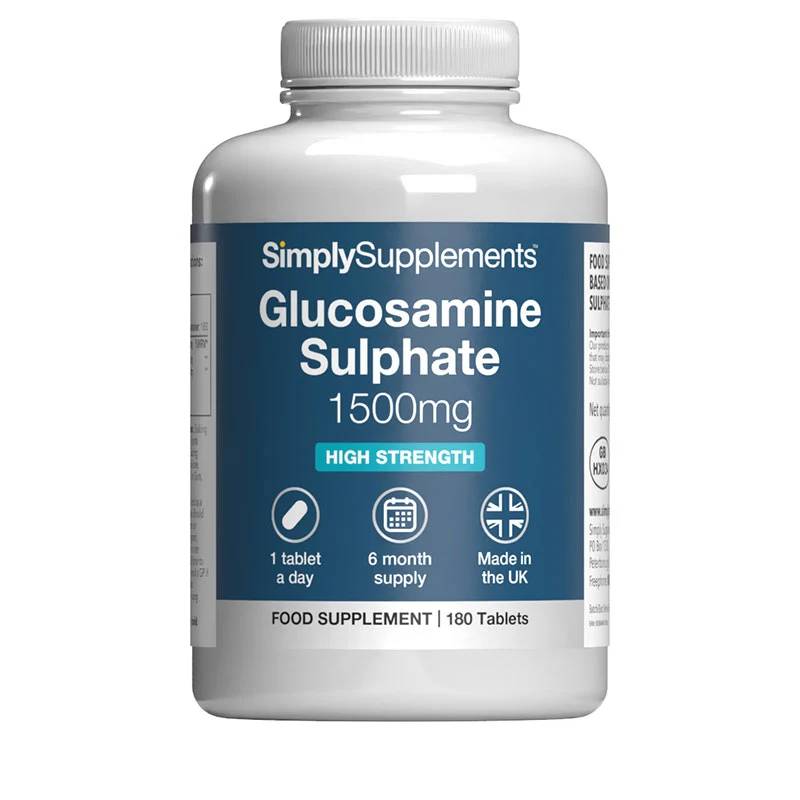
Furthermore, health guidelines often emphasize a comprehensive approach to joint care, which includes maintaining a healthy diet and regular physical activity. Engaging in low-impact exercises, such as swimming or tai chi, can also help alleviate joint stiffness over time. For anyone scaling up, comparing glucosamine brands UK is well worth a closer look. Dosage Considerations for Glucosamine Should you decide to try glucosamine, understanding the recommended dosage is crucial. Typical dosages of glucosamine sulphate range from 1,500 mg to 2,000 mg per day, though some studies suggest that lower amounts may also be effective. For glucosamine HCl, dosages may vary, but it is generally taken in a similar range.
Consistency is key when taking glucosamine supplements. Users may not notice immediate effects, and it could take several weeks of regular intake before any benefits are felt. Always consult a healthcare professional before starting any new supplement routine, particularly if you are on any medications or have pre-existing health conditions. Potential Side Effects and Who Should Avoid It While glucosamine is generally well-tolerated, some individuals may experience mild side effects such as stomach upset, nausea, or headaches. Allergic reactions can also occur, particularly in those who are allergic to shellfish. As a result, those with shellfish allergies should consult their healthcare provider before considering glucosamine supplements. (Image: https://cdn.photocache.online/cd72c0889a85/69662634a485.jpg)
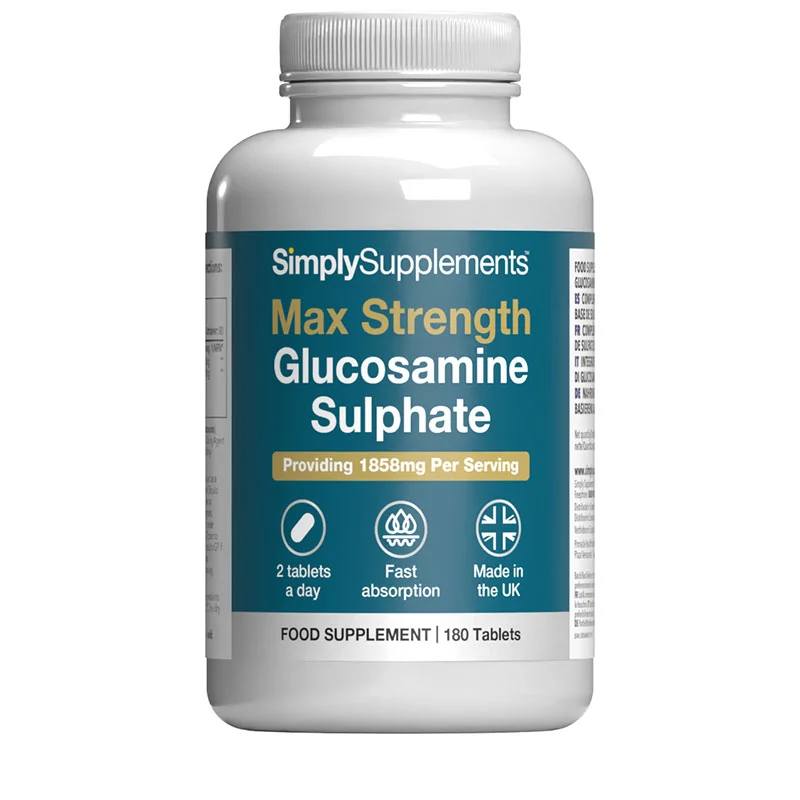
Moreover, individuals taking blood thinners or other medications should also approach glucosamine with caution. It is essential to discuss the use of any supplement with your healthcare professional to ensure it aligns with your overall health plan. Exploring Vegan Options for Glucosamine For those following a vegan lifestyle, traditional glucosamine supplements may pose a challenge due to their shellfish origins. However, there are vegan alternatives available on the market that are derived from fermented sources and provide a suitable option for plant-based diets. These vegan glucosamine supplements aim to deliver similar benefits without the need for animal products.
While these alternatives are increasingly popular, it is vital to check labels carefully to ensure that they are indeed vegan and free from any unwanted additives. When considering a vegan glucosamine supplement, looking for products that have undergone third-party testing can also provide reassurance about their quality and efficacy. This is often where Health & Wellbeing wellness resources proves its value in practice. (Image: https://cdn.photocache.online/cd72c0889a85/553c83c906e.jpg) Comparing Costs and Cost-Effective Choices When considering glucosamine supplements, the cost per serving can vary significantly between brands and types. For active adults looking to manage joint care effectively, evaluating various options is advisable. Prices can range anywhere from £0.30 to £1.00 per day, depending on the dosage and formulation. Additionally, consider whether the product is a single ingredient or part of a more comprehensive joint health formula, as this can impact cost-effectiveness.
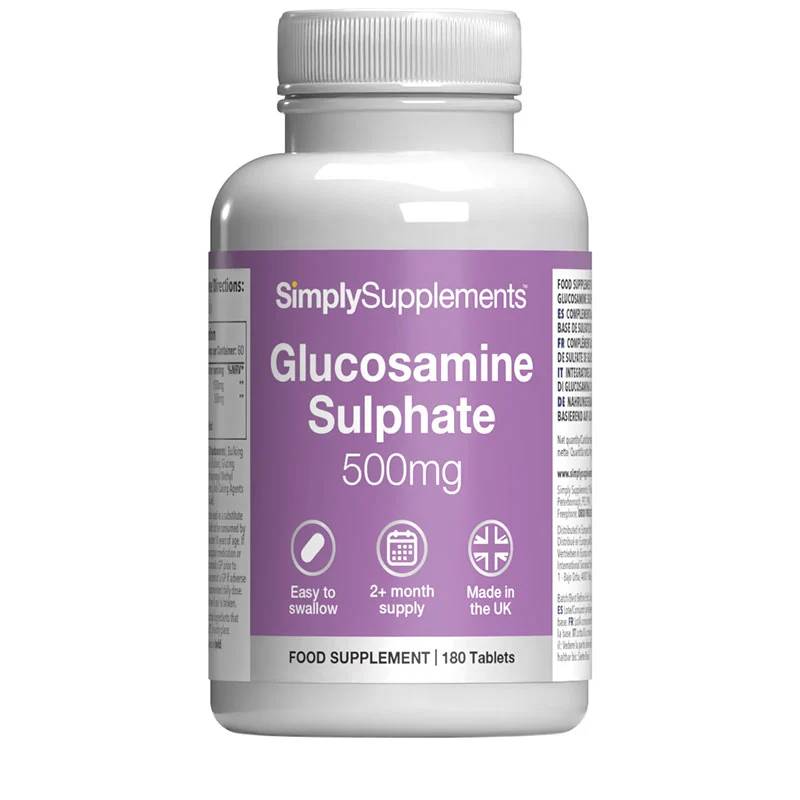
Research different brands and their formulations to find the best fit for your needs. Evaluate whether the glucosamine is part of a joint health blend or a standalone supplement. Consider purchasing from reputable retailers to ensure product quality. Seek out reviews and comparisons to assess effectiveness and value.
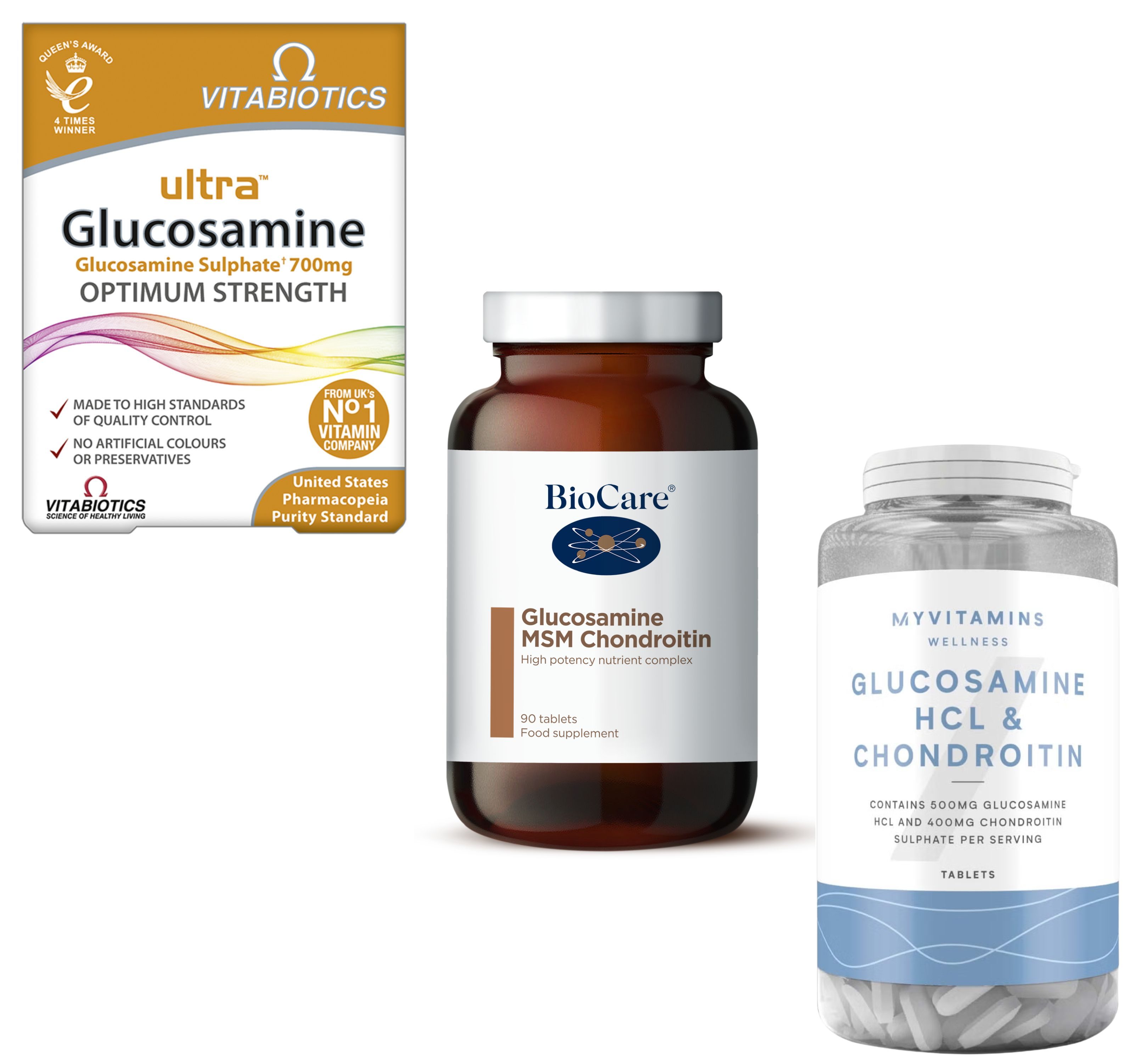
Many readers find it helpful to consult comparison websites or resources that detail different glucosamine options available in the UK market. Understanding these differences can help you make an informed decision and potentially save money while ensuring adequate joint support. Pros and Cons of Glucosamine Supplementation As with any supplement, glucosamine has its advantages and disadvantages. On the one hand, it could support joint health and may be beneficial for some individuals experiencing stiffness. On the other hand, the lack of strong evidence supporting its efficacy and the potential for side effects may deter some users.
Ultimately, it's essential to approach glucosamine supplementation with a balanced perspective, weighing personal health needs against potential costs and outcomes. Engaging with healthcare professionals about your specific situation can provide tailored guidance that goes beyond general recommendations. (Image: https://cdn.photocache.online/cd72c0889a85/5ea4dda461aad.jpg) Conclusion: Making Informed Choices for Joint Health As we age, ensuring that we maintain joint health is vital for staying active and enjoying our favourite pastimes. While glucosamine supplements may help some individuals, evidence is mixed, and NICE does not endorse them for joint care. Understanding the differences between glucosamine types, dosage recommendations, and potential side effects is crucial for making informed decisions. Always consider consulting with healthcare providers to explore the best options tailored to your needs.
Frequently Asked Questions
How long does it take for glucosamine to work?
Results from glucosamine supplementation can vary, but many users report noticing improvements in joint comfort and mobility within 4 to 8 weeks of consistent use.
What dosage of glucosamine is recommended for seniors?
The typical recommended dosage for glucosamine sulphate is between 1,500 mg and 2,000 mg per day, but always check with a healthcare provider before starting.
Are there any side effects associated with glucosamine?
Some people may experience mild side effects, including digestive upset, nausea, or allergic reactions, especially those allergic to shellfish.
Is glucosamine safe for everyone?
While glucosamine is generally safe for most people, those on blood thinners or with shellfish allergies should consult their healthcare provider before use.
Can I find vegan glucosamine supplements?
Yes, there are vegan glucosamine options derived from fermented sources. Always check the labels to ensure they meet vegan standards.
How do I choose a glucosamine supplement?
When choosing a glucosamine supplement, consider the type (sulphate vs. HCl), dosage, cost per serving, and whether it's vegan-friendly or tested for quality assurance.
{"@context":"https://schema.org","@graph":[{"@type":"BlogPosting","headline":"Glucosamine for Active Adults Over 65: Joint Care in Later Years","description":"Explore glucosamine for joint health in active adults over 65. Learn about types, effectiveness, and recommendations from NICE and the NHS.","image":"https://cdn.photocache.online/cd72c0889a85/555008c49b41.jpg","inLanguage":"en","datePublished":"2026-09-25T10:26:58.483Z","dateModified":"2026-09-25T10:26:58.483Z","author":{"@type":"Organization","name":"Health & Wellbeing","url":"https://www.healthwellbeing.com/best-glucosamine-supplements-uk-glucosamine-sulphate-brands-reviewed/"},"publisher":{"@type":"Organization","name":"Health & Wellbeing","url":"https://www.healthwellbeing.com/best-glucosamine-supplements-uk-glucosamine-sulphate-brands-reviewed/"},"keywords":"https://www.healthwellbeing.com/best-glucosamine-supplements-uk-glucosamine-sulphate-brands-reviewed/, www.healthwellbeing.com/best-glucosamine-supplements-uk-glucosamine-sulphate-brands-reviewed, healthwellbeing.com/best-glucosamine-supplements-uk-glucosamine-sulphate-brands-reviewed, read the full guide, this buying guide, this comparison, see the full comparison, this glucosamine guide, here, read the review, best glucosamine supplements UK, best glucosamine supplements, best glucosamine supplement, best glucosamine, best glucosamine UK, glucosamine sulphate brands reviewed, glucosamine sulphate vs HCl, glucosamine sulphate vs hydrochloride, glucosamine sulphate supplements, UK glucosamine supplements compared","wordCount":1426,"speakable":{"@type":"SpeakableSpecification","cssSelector":[".key-takeaways","h1"]}},{"@type":"FAQPage","mainEntity":[{"@type":"Question","name":"How long does it take for glucosamine to work?","acceptedAnswer":{"@type":"Answer","text":"Results from glucosamine supplementation can vary, but many users report noticing improvements in joint comfort and mobility within 4 to 8 weeks of consistent use."}},{"@type":"Question","name":"What dosage of glucosamine is recommended for seniors?","acceptedAnswer":{"@type":"Answer","text":"The typical recommended dosage for glucosamine sulphate is between 1,500 mg and 2,000 mg per day, but always check with a healthcare provider before starting."}},{"@type":"Question","name":"Are there any side effects associated with glucosamine?","acceptedAnswer":{"@type":"Answer","text":"Some people may experience mild side effects, including digestive upset, nausea, or allergic reactions, especially those allergic to shellfish."}},{"@type":"Question","name":"Is glucosamine safe for everyone?","acceptedAnswer":{"@type":"Answer","text":"While glucosamine is generally safe for most people, those on blood thinners or with shellfish allergies should consult their healthcare provider before use."}},{"@type":"Question","name":"Can I find vegan glucosamine supplements?","acceptedAnswer":{"@type":"Answer","text":"Yes, there are vegan glucosamine options derived from fermented sources. Always check the labels to ensure they meet vegan standards."}},{"@type":"Question","name":"How do I choose a glucosamine supplement?","acceptedAnswer":{"@type":"Answer","text":"When choosing a glucosamine supplement, consider the type (sulphate vs. HCl), dosage, cost per serving, and whether it's vegan-friendly or tested for quality assurance."}}]}]}