
Static IP Address: It is recommended to set a static IP address for the computer hosting the game server. This prevents the local IP from changing, which would require you to redo the port forwarding configuration.
(Image: https://i.ytimg.com/vi/qf7nm29svNg/hq720.jpg)Enter the following details: - Service Name: You can name it anything, like “GameServer.” - Port Range: Enter the port number used by your game server (e.g., 27015 for a typical game server). - Local IP Address: Enter the local IP address of the computer hosting the game server. - Protocol: Choose TCP, UDP, or both, depending on what your game requires. Look for an option to add a new port forwarding rule. Most games use UDP. - Enable: Make sure to enable the rule.

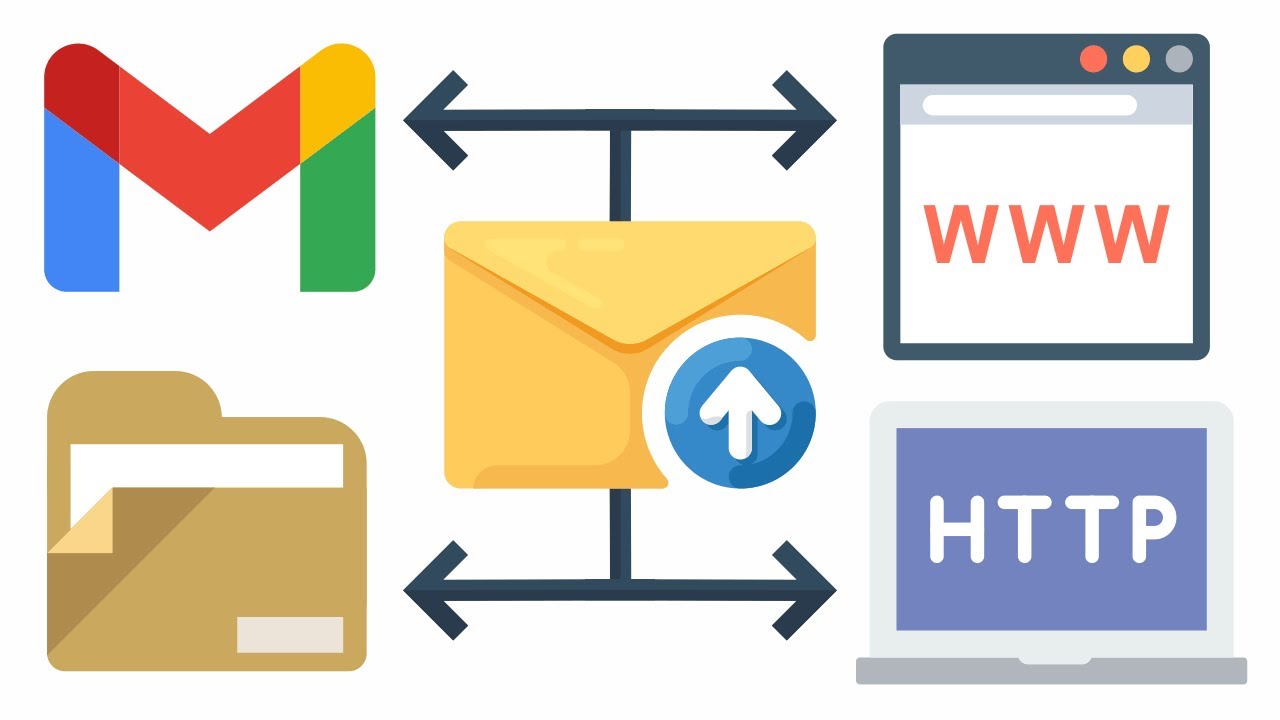
(Image: https://i.ytimg.com/vi/yLuaVkxvmk4/hq720.jpg)Server-side folder management provides better organization. Access to emails from multiple devices with real-time synchronization. Emails are stored on the server, reducing the risk of data loss.
Online Gaming: Gamers may encounter issues with changing IP addresses, particularly if they are in the middle of a session. Some games may require a stable connection, and an IP address change could disrupt gameplay.
You will typically see the following information: - IP Address: The resolved IP address for the domain. - TTL (Time to Live): The duration for which the DNS record is cached. - Record Type: The type of DNS record you queried (e.g., A, MX). - Additional Information: Any relevant details regarding the domai Review the output provided by the tool.
Firewall Settings: Ensure that your firewall is configured to allow traffic through the forwarded ports. Static IP Address: It’s advisable to set a static IP address for your game server to avoid changes to the local IP address that could disrupt port forwarding. Router Reboot: Sometimes, a router reboot is necessary for changes to take effect.
By default, most routers block incoming traffic on these ports for security reasons. Port forwarding allows you to open these ports, enabling players to connect to your server. Port forwarding is a network configuration process that allows external devices to connect to a specific device or service within a private network. When you host a game server, your server communicates over the internet through specific ports.
Device Reboot: Restarting a modem or router can trigger a new IP address assignment. When the device is rebooted, it may not reconnect to the same IP address, especially if the ISP's DHCP lease time has expired.
It is particularly beneficial for business users or those who manage large volumes of emails and require advanced organizational features. Conversely, IMAP is ideal for users who need to access their emails from multiple devices, such as smartphones, tablets, and computers.
Network Load Balancing: Large organizations often use load balancing techniques to distribute network traffic across multiple servers. This can result in changing IP addresses as users are directed to different servers based on availability and load.
Select the protocol (TCP, UDP, or both) based on your game’s requirements. Input the local IP address of your game server. Specify the port number (or range of ports) you want to forward. Click on “Add New Rule” or “Create New Port Forwarding Entry.” Enter a name for the rule (e.g., “Minecraft Server”).
Investigating potential security concerns related to domain ownershi Verifying that a domain name points to the correct IP address. Troubleshooting email delivery issues by examining MX records. Checking if a domain's DNS records are correctly configured.
It’s useful for verifying if DNS changes have been applied globally. WhatsMyDNS: This service provides a simple interface to check port the DNS records of a domain from various locations around the globe. Google Public DNS: Google offers a straightforward DNS lookup tool that can be used for quick check DNSChecker: This tool allows you to check DNS propagation across multiple servers worldwide.
Whether you’re a gamer hoping for a lag-free experience or a remote worker needing reliable access to your office network, getting port forwarding right is essential for optimal performance. By understanding the common issues and following the outlined steps, you can troubleshoot and resolve port forwarding problems effectively. Port forwarding is a vital aspect of network configuration for many users, but when it doesn’t work, it can be a source of significant frustration. Don’t let connectivity issues hold you back; take action today to ensure your network is running smoothly!
Double NAT: If your network is behind multiple routers (common in setups with both a modem and a router), you may encounter a Double NAT issue. Ensure that you are forwarding ports on the correct router. This means that port forwarding rules may not be effective unless configured on both devices.
(Image: https://i.ytimg.com/vi/_qGlbfZ44hg/hq720.jpg)This guide will walk you through the process of performing a DNS lookup online using various tools and method Understanding how to perform a DNS lookup is essential for web developers, network administrators, and anyone interested in troubleshooting internet connectivity issues. Domain Name System (DNS) is a fundamental component of the internet, converting human-readable domain names like www.example.com into machine-readable IP addresses.(Image: https://i.ytimg.com/vi/YpU2KEYfDu8/hq720.jpg)

