
SSH port 22 plays a vital role in modern network security and remote management. By following best practices and staying informed about potential threats, organizations can leverage the power of SSH while safeguarding their systems against unauthorized access and cyberattacks. In an increasingly digital world, securing remote access is not just a necessity; it is a fundamental aspect of maintaining the integrity and confidentiality of sensitive information. Its ability to provide secure, encrypted communication makes it an indispensable tool for system administrators and IT professionals. Understanding the importance of SSH and port 22, along with the associated security considerations, is essential for anyone involved in managing networked systems.
Since many users still employ weak passwords, this method can be surprisingly effective. Brute Force Attacks: One of the most prevalent risks associated with RDP is brute force attacks, where attackers attempt to gain access by systematically trying different username and password combinations.
Regularly review and update firewall rules to restrict access to only necessary ports and services. Regularly Update Security Policies: Ensure that your security policies are up-to-date and reflect current threat landscapes.
To verify that your port forwarding is working correctly, you can use online tools like “CanYouSeeMe” or “YouGetSignal.” Enter the port number you forwarded, and if it’s open, you should see a confirmation message.
You may need to create exceptions for your game server application. Contact your ISP if you suspect this is the case. ISP Restrictions: Some Internet Service Providers (ISPs) may block certain ports. Double-check port (http://www.ebmpapst-fan.com/comment/html/?87244.html) IP Address: Ensure that the local IP address of your game server hasn’t changed. If your router assigns IP addresses dynamically, consider reserving a static IP for your server in the router settings. Firewall Settings: Ensure that your firewall (both on the router and the server) allows traffic on the forwarded port.
This disruption threatened to impact sales and customer trust, prompting the IT team to investigate the issue urgently. One day, users began reporting that they could not access the website. Initial checks indicated that the server was running, but the domain name was not resolving. XYZ Corp, a mid-sized e-commerce company, relied heavily on its website for sales and customer engagement.
Administrators should restrict access to port 22 to only trusted IP addresses and implement rate limiting to prevent brute force attempts. Firewall Rules: Proper firewall configurations are essential for securing SSH.
Next, the team examined the DNS records associated with the domain. They used a DNS lookup tool to query the domain name and discovered that the DNS records were not returning the expected results. The domain was registered with a third-party registrar, and the DNS settings pointed to the company’s hosting provider.
Log in using your admin credentials. Open a web browser and enter your router’s IP address (commonly 192.168.1.1 or 192.168.0.1) in the address bar. If you haven’t changed them, the default username and password can usually be found on a sticker on the router or in the user manual.
(Image: https://i.ytimg.com/vi/7HwtRrnPOVk/hq720.jpg)Ransomware Attacks: Exposed MongoDB instances have been targets for ransomware attacks, where attackers encrypt the database and demand a ransom for the decryption key. This not only leads to potential financial loss but can also cause significant downtime and operational challenges for affected organizations.

Man-in-the-Middle Attacks: If RDP is not properly secured, attackers can intercept the communication between the client and the server. This allows them to capture credentials or even manipulate the session.
(Image: https://i.ytimg.com/vi/0W4JZIWtjLQ/hq720.jpg)By understanding the signs of port scanning, utilizing the right tools, and implementing best practices, you can significantly enhance your ability to identify and respond to potential threats. Proactive monitoring and timely responses can help safeguard your network against unauthorized access and ensure the integrity of your systems. In a world where cyber threats are constantly evolving, vigilance and preparedness are key to effective network security. Detecting port scanning on your network is a vital component of maintaining security.

(Image: https://i.ytimg.com/vi/d7PRD8DGoFU/hq720.jpg)Regularly Update MongoDB: Keeping MongoDB up to date with the latest security patches and updates is crucial for protecting against known vulnerabilities. Regular updates help ensure that any security flaws are addressed promptly.
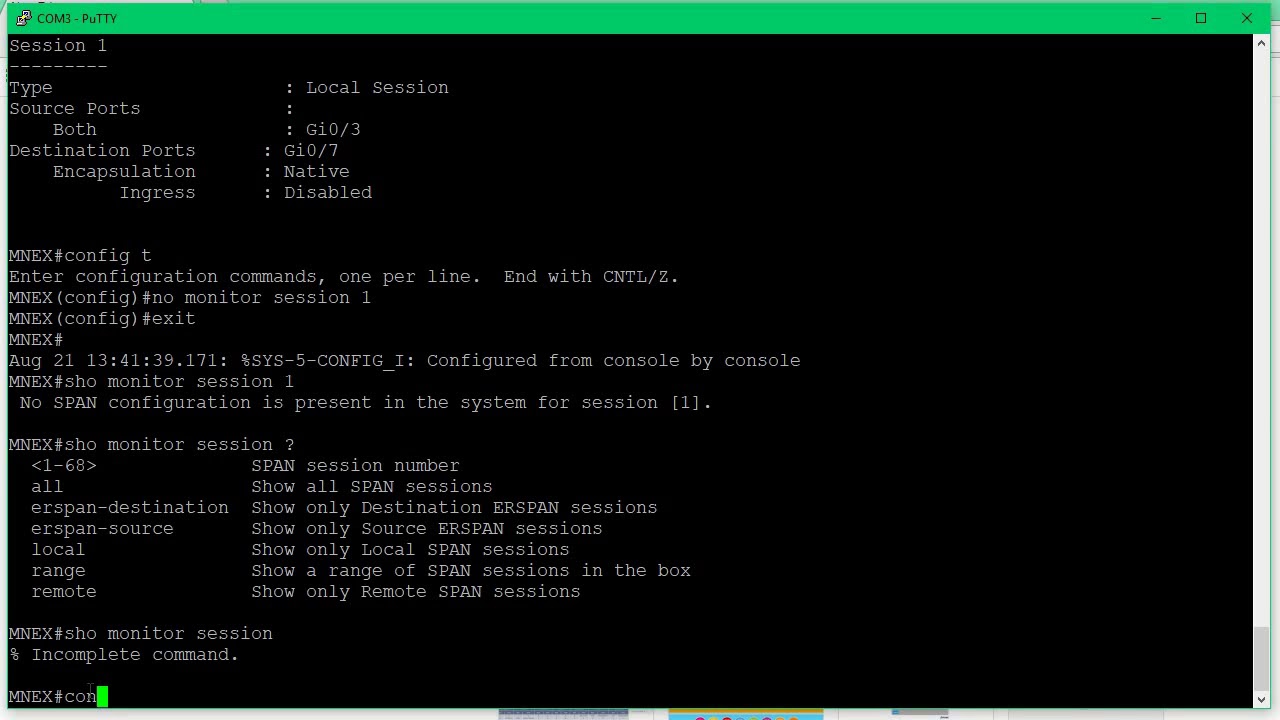
(Image: https://i.ytimg.com/vi/NUaCl5Yqz3g/hq720.jpg)By monitoring the interactions with these systems, you can gather intelligence on scanning techniques and potential threats. Use Honeypots: Deploying honeypots—decoy systems designed to attract attackers—can provide valuable insights into scanning activities.

Port forwarding ensures that the necessary traffic can flow freely to your game server. Improved Connectivity: Without port forwarding, players might face connection issues, timeouts, or may not be able to connect to your server at all.