Homeowners and small facility managers ask the same question every season: how do we keep projects tight, safe, and predictable? The answer starts with a practical playbook that blends clear scoping, material reasoning, and timeboxing. Spot likely trouble first, then build guardrails that prevent it. We’ll map planning moves, material filters, and day-by-day workflows that keep crews aligned and clients calm. You’ll notice how tight quality checks reduce callbacks and delays. If you’re comparing bids from a roofer, use this guide to read between the lines. Pros give answers; top pros give options and safeguards. By the end, you’ll know which red flags to avoid and which habits signal mastery.
Map scope and limits for clarity before materials arrive
A tight scope saves time, money, and drama on day two and day twenty. You can compare milestones and site demands here roofing before you lock dates. List the roof areas, edge metals, flashing zones, and vent counts. Define what stays, what moves, and what must be protected on site. Build a wind plan with tie-downs and secondary staging. Aim for a one-page scope map everyone can read at a glance. Shared details cut chaos.
Next, anchor scope to success criteria clients can verify. Ask for a plain checklist that says, “done means this.” Show slope minimums for each area and specify fastener patterns by sheet. For a small community center, we used color tags per elevation to confirm all pipe boots matched spec; we also logged photos at each valley before shingle install. Those tiny moves prevented a long Monday call about stained drywall and blocked downspouts. This is how a roofing company proves it can prevent confusion without slowing the crew.
Choose proven materials and inputs that match site conditions
Material picks must match weather, roof pitch, and building use. You can review comparison notes here roofing before placing orders. In a hail belt, impact-rated shingles and thicker underlay earn their cost. By the coast, stainless fasteners and sealed ridge vents are wise. For low-slope porches, upgrade to a membrane section instead of shingles. Size ice membrane to overhangs and shade patterns. Better fits last longer.
Don’t forget logistics and storage rules that protect material warranties. Keep shingles flat, tarps off the bundles, and pallets on dunnage. Log batch codes to ease any future claim. On a duplex rehab, we scheduled deliveries for late afternoon shade, then staged by slope to match the next morning’s run. Start-of-day installs ran smooth, fasteners drove clean, and seals activated right. That small timing choice avoided mid-day slip risk and warped stacks during a heat wave.
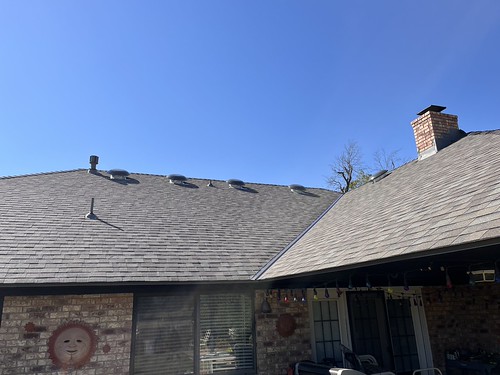
(Image: https://live.staticflickr.com/65535/55579592028_260caecaca.jpg) Build steady workflows and daily cadence that reduce delays
Sequencing is where projects earn or lose whole days. You can follow a simple day-one outline here roofing to pace the crew. Open only what you can dry-in before lunch; stage drip edge by run. Set one lead for fastener checks while another floats safety. Photograph deck conditions before underlayment so disputes vanish later. Small steps protect margins.
Coordination with neighbors reduces noise complaints and parking jams. On a small retail strip, we posted a two-day schedule on each door and rotated tear-off so open shops kept their entrances clear. Crews bagged gutters and set mats to contain dust. We booked dawn drops and did scrap runs after hours to free space. This approach let a roof replacement finish on time without stepping on weekend sales. That’s how rhythm, not speed, creates dependable outcomes.
Add checkpoints and risk controls to stop rework early
Quality must be visible, not assumed. You can adapt a three-gate checklist here roofing to keep standards tight. First gate: substrate checks and flashing fit, with pictures and notes. Second gate: felt laps, starter rows, and metal edges confirmed. Final gate: vent stacks, ridge caps, and seal points approved. These stops turn five-minute tweaks into big-savings wins.
A plan works only when teams rehearse it. We run five-minute drills: tarp deployment, ladder tie-down, and lightning exit. Write names to roles so action starts without chatter. After a sudden squall on a church reroof, the team locked down edges in two minutes, then cleared water from valleys without panic. Confidence rose on site and off, because control was obvious. That’s how a roofing contractor near me proves it can manage weather risk and keep property safe.
Balance budgets with longevity through smart choices
Money choices set the tone for years. You can weigh common upgrades here roofing before you sign. View total lifecycle, not sticker price, especially with vents. Better airflow can beat thicker products on actual lifespan. Shift dollars from generic felt to long-run ice membrane. Skip a style add-on and buy edge metals that save paint. Smart spending slows decay.
Clear math makes decisions easy. Show line items for tear-off, deck repair allowances, metal trims, flashing kits, and waste hauling. Define contingency thresholds to keep midstream calls short. In a fourplex, we priced two deck sheets per unit and refunded unused sheets on the final invoice. The credit helped, but the real win was visible discipline. That’s the kind of detail that sets apart a thoughtful roofing company from a fast-talking bid.
Keep owners in sync and properties clean through project handoff
Communication is the quiet engine of a calm project. You can borrow a simple message cadence here roofing to keep people looped in. Share a start memo, midday bullet, and wrap summary. Add pictures to make status obvious for anyone. Post a map of walk paths and blocked areas to prevent surprises. Clean sites earn goodwill.
Treat the finish like a delivery, not just the last nail. Provide an as-built packet with warranty cards, vent counts, metal specs, and before/after photos. Record maintenance tips: gentle wash schedules, gutter checks after storms, and attic airflow checks twice a year. We’ve seen HOAs reduce complaints by giving new residents a two-page “know your roof” guide on move-in. Teaching owners cuts misuse and stretches the roof’s useful years. Over time, this simple habit trims emergency calls and keeps assets looking fresh.
Conclusion: A strong playbook blends clear scope, site-matched materials, and steady daily cadence. Add visible checkpoints and risk drills, and small problems stay small. Spend where performance compounds, and keep communication steady from start to finish. Do this well, and your next project moves from guesswork to a smooth, accountable build.