By Health & Wellbeing · 2026-09-25
Are you an active adult over 40, wondering which form of glucosamine-hydrochloride (HCl) or sulphate-might be better for your joint health? With so many options available, it can be challenging to navigate the world of supplements, especially when considering the recommendations from health authorities like NICE and the NHS. This article will dive into the key differences between glucosamine HCl and sulphate, the current evidence regarding their effectiveness, and the best practices for choosing a glucosamine supplement that suits your needs.
Understanding the distinctions between these forms can help you make informed decisions about your joint health, especially if you're concerned about joint stiffness or are committed to maintaining an active lifestyle. Let's explore what glucosamine HCl and sulphate are, how they differ, and what to consider when choosing a supplement. Options such as what NICE says about glucosamine help keep everything running smoothly here.
Key Takeaways Glucosamine hydrochloride may be preferred for its solubility and absorption NICE does not recommend glucosamine supplements overall Dosage varies; adherence to guidelines is crucial Consider vegan options for joint health support What Are Glucosamine Hydrochloride and Sulphate?
Both glucosamine hydrochloride and glucosamine sulphate are naturally occurring compounds in the body that help maintain cartilage and joint function. Glucosamine is primarily derived from shellfish, although synthetic forms are also available, which can be suitable for those with allergies. (Image: https://cdn.photocache.online/cd72c0889a85/c399ebd89bef.jpg)
Glucosamine hydrochloride is often touted for its superior solubility in water, which may enhance its absorption in the digestive tract. On the other hand, glucosamine sulphate is the more commonly studied form, particularly concerning its potential role in joint health. Some studies suggest it may have anti-inflammatory properties that could benefit individuals with joint discomfort.
Despite these differences, the effectiveness of either form remains a topic of debate in the health community. Many practitioners still question whether glucosamine supplements provide significant benefits, as the evidence is mixed. external site Glucosamine Hydrochloride vs Sulphate: Key Differences While both forms serve similar purposes in promoting joint health, there are notable differences that may influence your choice of supplement. Here's a comparison:
Solubility: Glucosamine HCl is more soluble in water than glucosamine sulphate, which may enhance its absorption. Scientific Research: Most studies focus on glucosamine sulphate, indicating potential benefits for joint health, while HCl has less research backing. Cost: Generally, glucosamine HCl may be less expensive than its sulphate counterpart, which can be a crucial factor for long-term users. Vegan Options: Some brands offer glucosamine HCl derived from non-shellfish sources, making it accessible for vegans. What Does NICE Say About Glucosamine Supplements?
According to the National Institute for Health and Care Excellence (NICE), glucosamine supplements do not have a strong enough evidence base to recommend them for the treatment of osteoarthritis. NICE's guidelines reflect a cautious approach, suggesting that the evidence supporting glucosamine's effectiveness is mixed and not sufficient to warrant a universal recommendation. For anyone scaling up, https://links.gtanet.com.br/johnieolin8 is well worth a closer look.
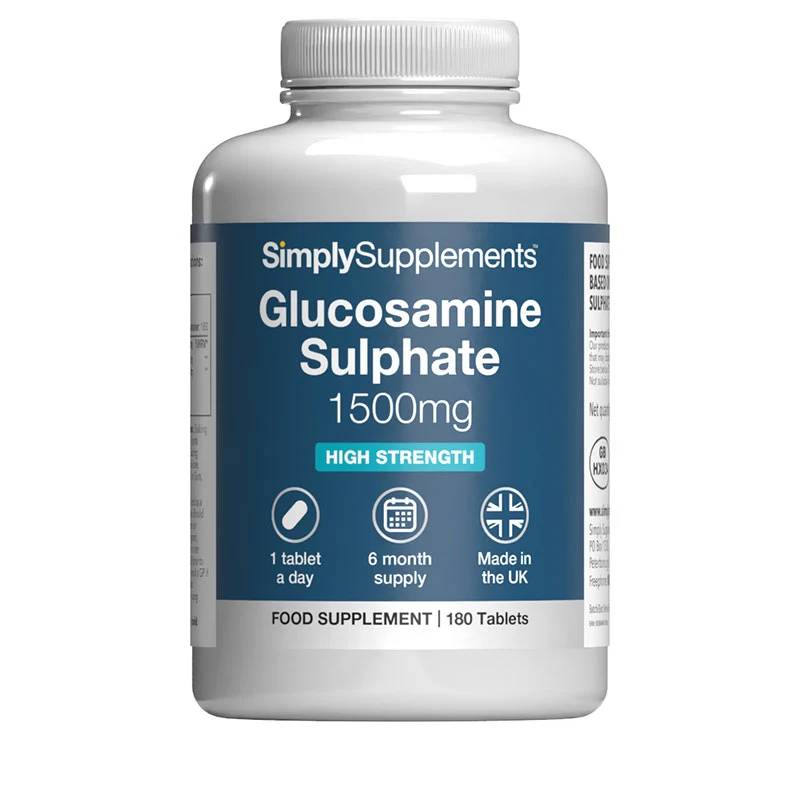
Individuals considering glucosamine should consult their healthcare provider for tailored advice based on personal circumstances, especially if they have existing health concerns. While many users report anecdotal benefits, the scientific community has yet to reach a consensus on its efficacy. (Image: https://cdn.photocache.online/cd72c0889a85/555008c49b41.jpg) How to Choose the Right Dosage When considering glucosamine supplements, it is essential to adhere to recommended dosages. The typical dosage ranges from 1,500 mg of glucosamine sulphate daily, often divided into two or three doses. For glucosamine HCl, dosages can vary, and it's important to read the label carefully.
Here's a simple guideline for glucosamine dosage: (Image: https://cdn.photocache.online/cd72c0889a85/69662634a485.jpg)
Start with a daily dose of 1,500 mg, adjusting as necessary based on tolerance and recommendations from your healthcare provider. Monitor your body's response over a period of at least two months before assessing efficacy. Consult a healthcare professional if you experience any adverse effects, such as gastrointestinal discomfort. Potential Side Effects and Who Should Avoid It
While glucosamine supplements are generally considered safe for most people, some may experience mild side effects such as nausea, diarrhoea, or heartburn. Individuals with shellfish allergies should exercise caution, particularly with glucosamine derived from shellfish sources.
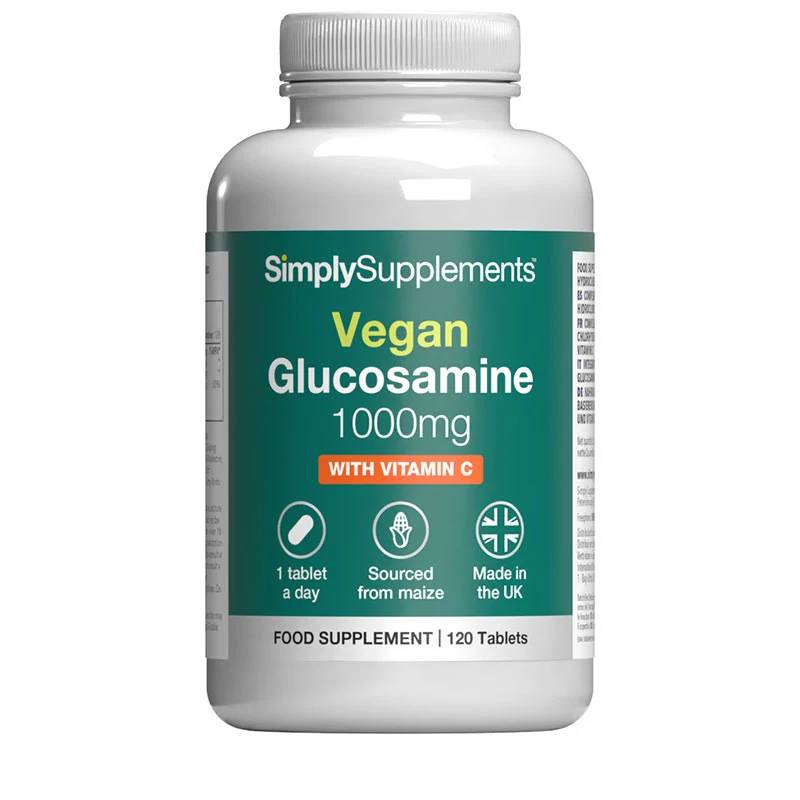
Those with diabetes should consult their healthcare provider, as glucosamine may affect insulin sensitivity. Additionally, pregnant or breastfeeding women should avoid glucosamine supplements unless advised otherwise by a medical professional. This is often where osteoarthritis supplement options proves its value in practice. Considering Vegan Options for Joint Health For those following a vegan lifestyle, it's possible to find glucosamine HCl supplements that are not derived from shellfish. These vegan options can provide similar benefits without the concern of allergens. Always check for certifications on the packaging to ensure the product meets vegan standards. (Image: https://cdn.photocache.online/cd72c0889a85/d3a0f88897e8.jpg)
Some brands specifically label their glucosamine as vegan, indicating that the sourcing and manufacturing process adheres to vegan principles. This can be an essential factor for those concerned about ethical sourcing or dietary restrictions. Cost-Effectiveness: Comparing Prices of Glucosamine Supplements When evaluating glucosamine supplements, price can vary widely among brands and formulations. Typically, glucosamine HCl may be priced lower compared to glucosamine sulphate, which might have a premium due to its research backing. It's wise to consider the cost per serving when making your choice. (Image: https://cdn.photocache.online/cd72c0889a85/553c83c906e.jpg)
As an example, if a 60-capsule bottle of glucosamine HCl costs £15 and the recommended daily dose is 1,500 mg, the cost per serving would be around £0.25. Conversely, if a glucosamine sulphate supplement costs £25 for the same 60 capsules, with the same dosage, the cost per serving would be closer to £0.42. This comparison illustrates how significant savings can be found by opting for the more affordable option.
Frequently Asked Questions
Is glucosamine hydrochloride better than glucosamine sulphate?
The choice depends on personal preference and how your body responds, but evidence is mixed on both forms.
What does NICE say about glucosamine supplements?
NICE does not recommend glucosamine supplements due to insufficient evidence supporting their effectiveness.
Are there any side effects associated with glucosamine?
Some users report mild side effects like nausea and gastrointestinal discomfort, but significant side effects are rare.
Can vegetarians or vegans take glucosamine supplements?
Yes, vegan glucosamine HCl options are available, but check sourcing to ensure they meet dietary requirements.
What is the recommended dosage for glucosamine?
The typical dosage is 1,500 mg per day, though it can vary by individual and product formulation.
Is glucosamine safe for diabetics?
Diabetics should consult their healthcare provider before taking glucosamine, as it may impact insulin sensitivity.
{"@context":"https://schema.org","@graph":[{"@type":"BlogPosting","headline":"Glucosamine Hydrochloride vs Sulfate: Which is Better for Joint Health?","description":"Explore the differences between glucosamine hydrochloride and sulfate, including dosage, side effects, and recommendations for active adults.","image":"https://cdn.photocache.online/cd72c0889a85/c399ebd89bef.jpg","inLanguage":"en","datePublished":"2026-09-25T10:23:22.127Z","dateModified":"2026-09-25T10:23:22.127Z","author":{"@type":"Organization","name":"Health & Wellbeing","url":"https://www.healthwellbeing.com/best-glucosamine-supplements-uk-glucosamine-sulphate-brands-reviewed/"},"publisher":{"@type":"Organization","name":"Health & Wellbeing","url":"https://www.healthwellbeing.com/best-glucosamine-supplements-uk-glucosamine-sulphate-brands-reviewed/"},"keywords":"https://www.healthwellbeing.com/best-glucosamine-supplements-uk-glucosamine-sulphate-brands-reviewed/, www.healthwellbeing.com/best-glucosamine-supplements-uk-glucosamine-sulphate-brands-reviewed, healthwellbeing.com/best-glucosamine-supplements-uk-glucosamine-sulphate-brands-reviewed, read the full guide, this buying guide, this comparison, see the full comparison, this glucosamine guide, here, read the review, best glucosamine supplements UK, best glucosamine supplements, best glucosamine supplement, best glucosamine, best glucosamine UK, glucosamine sulphate brands reviewed, glucosamine sulphate vs HCl, glucosamine sulphate vs hydrochloride, glucosamine sulphate supplements, UK glucosamine supplements compared","wordCount":1032,"speakable":{"@type":"SpeakableSpecification","cssSelector":[".key-takeaways","h1"]}},{"@type":"FAQPage","mainEntity":[{"@type":"Question","name":"Is glucosamine hydrochloride better than glucosamine sulphate?","acceptedAnswer":{"@type":"Answer","text":"The choice depends on personal preference and how your body responds, but evidence is mixed on both forms."}},{"@type":"Question","name":"What does NICE say about glucosamine supplements?","acceptedAnswer":{"@type":"Answer","text":"NICE does not recommend glucosamine supplements due to insufficient evidence supporting their effectiveness."}},{"@type":"Question","name":"Are there any side effects associated with glucosamine?","acceptedAnswer":{"@type":"Answer","text":"Some users report mild side effects like nausea and gastrointestinal discomfort, but significant side effects are rare."}},{"@type":"Question","name":"Can vegetarians or vegans take glucosamine supplements?","acceptedAnswer":{"@type":"Answer","text":"Yes, vegan glucosamine HCl options are available, but check sourcing to ensure they meet dietary requirements."}},{"@type":"Question","name":"What is the recommended dosage for glucosamine?","acceptedAnswer":{"@type":"Answer","text":"The typical dosage is 1,500 mg per day, though it can vary by individual and product formulation."}},{"@type":"Question","name":"Is glucosamine safe for diabetics?","acceptedAnswer":{"@type":"Answer","text":"Diabetics should consult their healthcare provider before taking glucosamine, as it may impact insulin sensitivity."}}]}]}